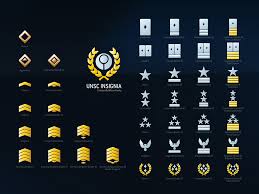
记忆方法
1、英语里其实有两个 rank,先记第一个"一排、等级":排成一列就有先后 → 军衔、级别、按等级排。
2、第二个 rank 是形容词,意思是"彻头彻尾的、恶臭的、疯长的":a rank liar 撒谎精、rank weeds 杂草疯长。它原意是"高傲、长得太满"。
3、三个常考短语:rank and file 普通一兵/基层群众、pull rank 摆官架子、rank first 排在首位。别和 ranch 牧场拼混。
2、第二个 rank 是形容词,意思是"彻头彻尾的、恶臭的、疯长的":a rank liar 撒谎精、rank weeds 杂草疯长。它原意是"高傲、长得太满"。
3、三个常考短语:rank and file 普通一兵/基层群众、pull rank 摆官架子、rank first 排在首位。别和 ranch 牧场拼混。
机器生成的内容难免有错,看到不靠谱的拆解请告诉我们
词族 · rank
中文词源
rank 排列,等级
来自古法语 ranc,排,行,来自 Proto-Germanic*hringaz,圈,环,来自 PIE*sker,弯,转,词源 同 ring,curve.词义由环行排列过渡至水平排列。引申词义排列,等级。
英语词源
- rank
-
rank: English has two words rank. The one meaning ‘row, line’ [16], and hence ‘position of seniority’, was borrowed from Old French ranc (source also of English range), which goes back via Frankish *hring to a prehistoric Germanic *khrengaz ‘circle, ring’ (ancestor of English ring). Rank ‘absolute, downright’ [OE], as in ‘rank bad manners’, has had an eventful semantic history.
It originally meant ‘haughty’ and ‘full-grown’, and came from a prehistoric Germanic *rangkaz, which also produced Old Norse rakkr ‘erect’. ‘Full-grown’ evolved via ‘growing vigorously, luxuriant’ (which still survives) into ‘gross, disgusting’, on which the present-day intensive usage is based.
=> range, ring - rank (v.)
- 1570s, "arrange in lines;" 1590s, "put in order, classify; assign a rank to," from rank (n.). Related: Ranked; ranking.
- rank (n.)
- early 14c., "row, line series;" c. 1400, a row of an army, from Old French renc, ranc "row, line" (Modern French rang), from Frankish *hring or some other Germanic source (compare Old High German hring "circle, ring"), from Proto-Germanic *hringaz "circle, ring, something curved" (see ring (n.1)).
Meaning "a social division, class of persons" is from early 15c. Meaning "high station in society" is from early 15c. Meaning "a relative position" is from c. 1600. - rank (adj.)
- Old English ranc "proud, overbearing, showy," from Proto-Germanic *rankaz (cognates: Danish rank "right, upright," German rank "slender," Old Norse rakkr "straight, erect"), perhaps from PIE *reg- "to stretch, straighten" (see right (adj.)). In reference to plant growth, "vigorous, luxuriant, abundant, copious" it is recorded from c. 1300. Related: Rankly; rankness.
Sense evolved in Middle English to "large and coarse" (c. 1300), then, via notion of "excessive and unpleasant," to "corrupt, loathsome, foul" (mid-14c.), perhaps from influence of Middle French rance "rancid." In 17c. also "lewd, lustful."
Much used 16c. as a pejorative intensive (as in rank folly). This is possibly the source of the verb meaning "to reveal another's guilt" (1929, underworld slang), and that of "to harass, abuse," 1934, U.S. black dialect, though this also may be from the role of the activity in establishing social hierarchy (from rank (n.)).
权威例句
- 1. Dense smoke swirled and billowed, its rank fumes choking her.
- 滚滚浓烟盘旋翻腾,恶臭味呛得她喘不过气来。
- 2. Substantial numbers of rank and file members ignored their union's advice.
- 有相当一部分普通员工不理睬工会的建议。
- 3. There was widespread support for him among the rank and file.
- 那些普通职员们都普遍支持他。
- 4. Mr Short does not even rank in the world's top ten.
- 肖特先生甚至没有进入世界前10名。
- 5. The kitchen was rank with the smell of drying uniforms.
- 厨房内充斥着烘干制服的难闻气味。
词语辨析
【queue, rank, line, row】
这组词都有“列、队、排”的意思,其区别是:
queue: 指人们为做某事而有顺序排成的队,在等的过程中不断向前移动。
rank: 和file常为军事用语,前者指肩并肩排列整齐的士兵横排,后者指纵队。
line: 指人或物排成的行列。
row: 指单独的一列,也可指平行的数行中的一行,而不论是横或纵。
【rank, degree, grade, class】
这组词都有“级,等级”的意思,其区别是:
rank: 指人在社会中的地位或等级,尤指军队中的军衔。
degree: 指程度、范围不同,社会地位的高低。也可指形容词或副词的级。
grade: 指按地位或优劣划分的等级,既可指人又可指物。
class: 含义广泛,指人或物按优劣划分的等级,也指学校中的年级或班级。