记忆方法
1、world 拆开是 wer(人)+ old(时代):字面"人的时代",人这一辈子活着的地方就是世界。照"人 + 老"来拼,一辈子写不错。
2、同一截 wer- 还藏在 werewolf(狼人,夜里变狼的人)里;virile(有男子气概的)是它的远亲。-old 一家更大:old、age(年纪)、modern(现代的)都和时间沾边。
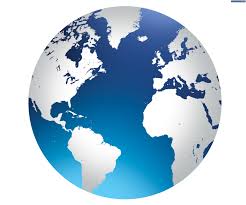
3、三个"地球"分工:earth(我们住的这颗行星,和"天"相对)、globe(强调圆圆的实体)、world(地球上的人和事)。搭配 in this world 世上,out of this world 棒极了,world cup 世界杯。读 /wɜːld/,中间的 r 别丢,尾巴 ld 轻得像"欧德"。
2、同一截 wer- 还藏在 werewolf(狼人,夜里变狼的人)里;virile(有男子气概的)是它的远亲。-old 一家更大:old、age(年纪)、modern(现代的)都和时间沾边。
3、三个"地球"分工:earth(我们住的这颗行星,和"天"相对)、globe(强调圆圆的实体)、world(地球上的人和事)。搭配 in this world 世上,out of this world 棒极了,world cup 世界杯。读 /wɜːld/,中间的 r 别丢,尾巴 ld 轻得像"欧德"。
机器生成的内容难免有错,看到不靠谱的拆解请告诉我们
词族 · world
词形变化
中文词源
world 世界
缩写自古英语worold,一段时间,人类,人类的存在,wor-,人,男人,词源同virile,werewolf,old,老人,时代,字面意思即男人的时代,人的存在,后引申词义人的一生,今生,人世,人类的活动与事务,世界。词义演变比较university,cosmos.
英语词源
- world
-
world: [OE] Etymologically, world means ‘age of man’. That is the basis of its earliest recorded sense, ‘earthly existence, human life’. But already by the 9th century it was being used for the ‘earth’ itself. It is a compound noun formed in the prehistoric Germanic period from *weraz ‘man’ (probable source of the were- of English werewolf and related to virile) and *ald- ‘age’ (ancestor of English old), and its relatives include German welt, Dutch wereld, Swedish verld, and Danish verden.
=> old, virile, werewolf - world (n.)
- Old English woruld, worold "human existence, the affairs of life," also "a long period of time," also "the human race, mankind, humanity," a word peculiar to Germanic languages (cognates: Old Saxon werold, Old Frisian warld, Dutch wereld, Old Norse verold, Old High German weralt, German Welt), with a literal sense of "age of man," from Proto-Germanic *wer "man" (Old English wer, still in werewolf; see virile) + *ald "age" (see old).
Originally "life on earth, this world (as opposed to the afterlife)," sense extended to "the known world," then to "the physical world in the broadest sense, the universe" (c. 1200). In Old English gospels, the commonest word for "the physical world," was Middangeard (Old Norse Midgard), literally "the middle enclosure" (see yard (n.1)), which is rooted in Germanic cosmology. Greek kosmos in its ecclesiastical sense of "world of people" sometimes was rendered in Gothic as manaseþs, literally "seed of man." The usual Old Norse word was heimr, literally "abode" (see home). Words for "world" in some other Indo-European languages derive from the root for "bottom, foundation" (such as Irish domun, Old Church Slavonic duno, related to English deep); the Lithuanian word is pasaulis, from pa- "under" + saule "sun."
Original sense in world without end, translating Latin saecula saeculorum, and in worldly. Latin saeculum can mean both "age" and "world," as can Greek aion. Meaning "a great quantity or number" is from 1580s. Out of this world "surpassing, marvelous" is from 1928; earlier it meant "dead." World Cup is by 1951; U.S. baseball World Series is by 1893 (originally often World's Series). World power in the geopolitical sense first recorded 1900. World-class is attested from 1950, originally of Olympic athletes.
权威例句
- 1. The world breaks everyone, and afterward, many are stronger at the broken places.
- 生活总是让我们遍体鳞伤,但到后来,那些受伤的地方会变得更坚强。
- 2. A changing world has put pressures on the company.
- 日新月异的世界使这家公司感到了压力。
- 3. "Take That" are the best group in the whole world. So there.
- “接招”乐队是世界上最好的组合,就是这样的。
- 4. Many of the clothes come from the world's top fashion houses.
- 这些服装中有很多出自世界顶级时装设计公司。
- 5. The world of the gods is anthropomorphic, an imitative projection of ours.
- 神界是拟人化的,是模仿我们人类世界的一个投影。
词语辨析
【earth, globe, world】
这组词都有“地球”的意思,其区别是:
earth: 指表面有陆地和水,人类所居住行星的名字。有时与“天”相对,泛指“地”。
globe: 指我们生活的地球,但强调其实体和圆形。
world: 通常相当于earth与globe,现多用指地球,地球上的世界,社会和人。
这组词都有“地球”的意思,其区别是:
earth: 指表面有陆地和水,人类所居住行星的名字。有时与“天”相对,泛指“地”。
globe: 指我们生活的地球,但强调其实体和圆形。
world: 通常相当于earth与globe,现多用指地球,地球上的世界,社会和人。