词族 · tug
派生词
中文词源
tug 拉,拖,拽
来自古英语 teohan,拉,拖,来自 Proto-Germanic*teuhan,拉,拖,来自 PIE*deuk,拉,词源同 duct,tow.
英语词源
- tug
-
tug: [13] Tug goes back to a prehistoric Germanic base *teukh- ‘pull’ (source also of German ziehen ‘pull’ and English truck [14], whose original meaning was ‘pull up, gather up’). This in turn was descended from Indo-European *deuk- ‘pull’, from which English gets conduct, duke, reduce, etc.
=> conduct, duct, duke, educate, reduce, tie, tow - tug (v.)
- c. 1200, from weak grade of Old English teohan "to pull, drag," from Proto-Germanic *teuhan "to pull" (cognates: Old High German zucchen "to pull, jerk," German zücken "to draw quickly), from PIE root *deuk- "to lead" (see duke (n.)). Related to tow (v.). Related: Tugged; tugging.
- tug (n.)
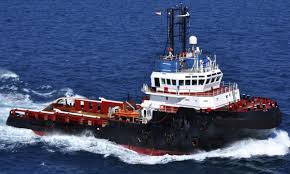
- mid-14c., in reference to some part of a harness;" c. 1500 as "act of pulling or dragging," from tug (v.). Meaning "small, powerful vessel for towing other vessels" is recorded from 1817. Phrase tug of war (1670s) was originally figurative, "the decisive contest, the real struggle," from the noun in the sense "supreme effort, strenuous contest of forces" (1650s). As an actual athletic event, from 1876.
权威例句
- 1. She knows exactly how to tug at readers' heartstrings.
- 她对如何牵动读者的心弦了如指掌。
- 2. The tug crossed our stern not fifty yards away.
- 拖船擦着我们的船尾开了过去,距离不到50码。
- 3. Bobby gave her hair a tug.
- 博比使劲拽了她头发一下.
- 4. The sailors won at tug-of-war.
- 船员们赢了拔河比赛。
- 5. The tug is towing three barges.
- 那只拖船正拖着三只驳船.
词语辨析
【draw, jerk, tow, pull, drag, haul, tug】
这组词都有“拖、拉”的意思,其区别是:
draw: 指将人或物朝出力者的方向拖,不涉及力的大小,含平稳意味,常作借喻用。
jerk: 指快而突然地拉。
tow: 特指用绳子或链条等拖或拉本身无动力或无法使用自身动力的东西。
pull: 最普通用词,包含本组其它各词的一些意思,可指朝各个方向拉,侧重一时或突然拉动的动作。
drag: 指沿斜坡而上或水平方向缓慢地拖或拉十分沉重的人或物。作借喻时可指把人硬拉扯过来。
haul: 指用力拖或拉,不涉及方向,多作航海用词。
tug: 多指一阵阵地用力拖或拉,但不一定使被拉的人或物移动。
这组词都有“拖、拉”的意思,其区别是:
draw: 指将人或物朝出力者的方向拖,不涉及力的大小,含平稳意味,常作借喻用。
jerk: 指快而突然地拉。
tow: 特指用绳子或链条等拖或拉本身无动力或无法使用自身动力的东西。
pull: 最普通用词,包含本组其它各词的一些意思,可指朝各个方向拉,侧重一时或突然拉动的动作。
drag: 指沿斜坡而上或水平方向缓慢地拖或拉十分沉重的人或物。作借喻时可指把人硬拉扯过来。
haul: 指用力拖或拉,不涉及方向,多作航海用词。
tug: 多指一阵阵地用力拖或拉,但不一定使被拉的人或物移动。