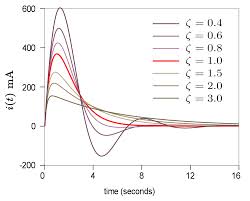
记忆方法
1. trans- "across, over" + ire "go" (see ion) => transire "cross over, pass away, go over".
2. transire => transi- + -ent => transient.
3. => passing over or away.
2. transire => transi- + -ent => transient.
3. => passing over or away.
看到不对的地方请告诉我们
词族 · transient
词形变化
派生词
中文词源
transient 短暂的,临时的
来自 transit,中转,过渡,-ent,形容词后缀。
英语词源
- transient
-
transient: [17] English adapted transient from trānsiēns, the present participle of Latin trānsīre ‘go over’. This was a compound verb formed from the prefix trāns- ‘across, over’ and īre ‘go’ (source also of English coitus, exit, obituary, etc). Also from trānsīre come English trance [14], transit [15], transition [16], transitive [16], and transitory [14].
=> coitus, exit, obituary, transit, transitory - transient (adj.)
- c. 1600, "transitory, not durable," from Latin transientem (nominative transiens) "passing over or away," present participle of transire "cross over, go over, pass over, hasten over, pass away," from trans- "across" (see trans-) + ire "to go" (see ion). Meaning "passing through a place without staying" is from 1680s. The noun is first attested 1650s; specific sense of "transient guest or boarder" attested from 1857. Related: Transiently.
权威例句
- 1. the transient nature of speech
- 言语的即逝性
- 2. Her feeling of depression was transient.
- 她的压抑心情一会儿就过去了.
- 3. In most cases, pain is transient.
- 大多数情况下,疼痛是短暂的。
- 4. Transient applications must be simple, clear, and to the point.
- 暂时应用必须简单 、 清晰并且意思明确.
- 5. Such single - function applications have a posture of their own, the transient posture.
- 并且不应该表现出独占式的行为,这样单一功能的应用有其自己的暂时姿态.
词语辨析
【transient, temporary, momentary】
这组词都有“短暂的,瞬息的”的意思,其区别是:
transient: 指停留或延续的时间很短。
temporary: 普通用词,其反义是permanent。指持续有限的可计时间,着重暂时的存在、应用或效应。
momentary: 指瞬时即逝的,也表明间很短的。
这组词都有“短暂的,瞬息的”的意思,其区别是:
transient: 指停留或延续的时间很短。
temporary: 普通用词,其反义是permanent。指持续有限的可计时间,着重暂时的存在、应用或效应。
momentary: 指瞬时即逝的,也表明间很短的。