词族 · timbre
词形变化
中文词源
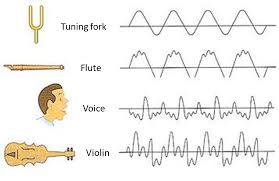
timbre 音质,音品
来自法语 timbre,音质,音色,来自古法语 timbre,小鼓,没有铃舌的钟,用手拍打发声的钟, 来自拉丁语 tympanum,鼓,来自 typtein,敲打,拍打,词源同 type,timpani,tympanum.
英语词源
- timbre
-
timbre: see timpani
- timbre (n.)
- "characteristic quality of a musical sound," 1849, from French timbre "quality of a sound," earlier "sound of a bell," from Old French, "bell without a clapper," originally "small drum," probably via Medieval Greek *timbanon, from Greek tympanon "kettledrum" (see tympanum). Timbre was used in Old French (13c.) and Middle English (14c.) to render Latin tympanum in Ps. 150.
权威例句
- 1. His voice had a deep timbre.
- 他嗓音低沉。
- 2. Different Methods : To touch the keys will result in different representation of timbre.
- 不同的触键方法,会产生不同的音色表现.
- 3. The timbre of the violin is far richer than that of the mouth organ.
- 小提琴的音色远比口琴丰富。
- 4. Different methods to touch the keys will result in different representation of timbre.
- 不同的触键方法,会产生不同的音色表现。
- 5. The timbre of the laryngeal sound stands out, and oral noise decrease.
- 噪音的音色充分显露出来, 口腔的噪音就消失了.