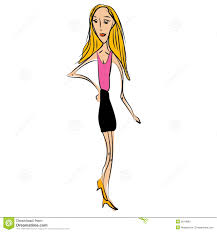
记忆方法
1、thin 的字面是"被拉长的"——拉长就变细变薄。它的印欧祖根 *ten- 管"拉":同族 tend(趋向;照料)、tense(拉紧的;时态)、extend(延伸)、tenuous(纤细的、稀薄的)。第十二轮 thick(厚的)稿里留的反义对,今天补齐:一薄一厚。
2、瘦一族分工:lean 缺脂肪或精瘦结实,slim 细长体重轻,slight 又瘦又小,slender 细长优美多夸女性,thin 普通用词、骨架窄腰细或病累消瘦。
3、读 /θɪn/ 咬舌短音;thin ice 薄冰(如履薄冰本冰),thin air 稀薄空气——莎士比亚有 melted into thin air 化为乌有。
2、瘦一族分工:lean 缺脂肪或精瘦结实,slim 细长体重轻,slight 又瘦又小,slender 细长优美多夸女性,thin 普通用词、骨架窄腰细或病累消瘦。
3、读 /θɪn/ 咬舌短音;thin ice 薄冰(如履薄冰本冰),thin air 稀薄空气——莎士比亚有 melted into thin air 化为乌有。
机器生成的内容难免有错,看到不靠谱的拆解请告诉我们
词族 · thin
中文词源
thin 薄的,稀疏的
来自古英语 thynne,薄的,来自 Proto-Germanic*thunni,薄的,来自 PIE*ten,延展,拉长,词源 同 extend,tender,tenuous.词义由拉长引申为细长,薄的,脆弱的等诸多相关词义。
英语词源
- thin
-
thin: [OE] Thin denotes etymologically ‘stretched’. It goes back ultimately to the Indo- European base *ten- ‘stretch’, which also produced Latin tenuis ‘thin’ (source of English tenuous) and Latin tendere ‘stretch’ (source of English tend, tense, etc). From this was descended prehistoric Germanic *thunnuz, which has evolved into German dünn, Dutch dun, Swedish tunn, Danish tynd, and English thin.
=> tend, tense, tenuous - thin (adj.)
- Old English þynne "narrow, lean, scanty, not dense; fluid, tenuous; weak, poor," from Proto-Germanic *thunni "thin" (cognates: West Frisian ten, Middle Low German dunne, Middle Dutch dunne, Dutch dun, Old High German dunni, German dünn, Old Norse þunnr, Swedish tunn, Danish tynd), from PIE *tnu- "stretched, stretched out" (hence "thin"), from root *ten- "to stretch" (cognates: Latin tenuis "thin, slender;" see tenet).
These our actors ... were all Spirits, and Are melted into Ayre, into thin Ayre. [Shakespeare, "The Tempest," IV.i.150, 1610]
"Loose or sparse," hence "easily seen through," with figurative extensions. Related: Thinly; thinness. Thin-skinned is attested from 1590s; the figurative sense of "touchy" is from 1670s. - thin (v.)
- Old English þynnian "to make thin, lessen, dilute," also intransitive, "become thin," from thin (adj.). Intransitive sense of "to become less numerous" is attested from 1743; that of "to become thinner" is recorded from 1804. Compare similarly formed German dünnen, Dutch dunnen. Related: Thinned; thinning.
权威例句
- 1. She was thin and spare, with a sharply intelligent face.
- 她又高又瘦,一副精明过人的模样。
- 2. He was a tall, thin man with grey hair.
- 他是个瘦高个,头发灰白。
- 3. She is too thin. Feed her up a bit.
- 她太瘦了,把她养胖点。
- 4. His legs were pitifully thin compared to the rest of his bulk.
- 他的双腿和他庞大身躯的其他部分相比瘦得可怜。
- 5. Her husband was sympathetic at first but his patience soon wore thin.
- 一开始她丈夫还抱以同情,可不久就失去耐心了。
词语辨析
【lean, slim, slight, slender, thin】
这组词都有“瘦的”的意思,其区别是:
lean: 侧重缺少脂肪。既可能是因病而瘦,也可能因饥饿而消瘦。也指身体消瘦,但肌肉结实,身体健康。
slim: 指身体的细长,体重轻不着重外形的优美,可用于不同的性别,常用于减轻体重的人。
slight: 指身材又瘦又小。
slender: 指身体细长、体态优美、苗条适中,多用于指女性。
thin: 普通用词,指腰细、骨架窄,常因疾病或疲劳而消瘦。
这组词都有“瘦的”的意思,其区别是:
lean: 侧重缺少脂肪。既可能是因病而瘦,也可能因饥饿而消瘦。也指身体消瘦,但肌肉结实,身体健康。
slim: 指身体的细长,体重轻不着重外形的优美,可用于不同的性别,常用于减轻体重的人。
slight: 指身材又瘦又小。
slender: 指身体细长、体态优美、苗条适中,多用于指女性。
thin: 普通用词,指腰细、骨架窄,常因疾病或疲劳而消瘦。