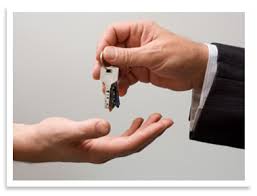
记忆方法
1. ten- + -ant.
2. => person who holds lands by title or by lease.
3. 蚂蚁搬家,十只蚂蚁成了房客。
4. 十只蚂蚁租我的房子,并为我工作。=> 房客,佃户。
5. Tenant:十只蚂蚁找家——房客
6. 〔房客一巴掌,揍扁十(ten)蚂蚁(ant)〕
2. => person who holds lands by title or by lease.
3. 蚂蚁搬家,十只蚂蚁成了房客。
4. 十只蚂蚁租我的房子,并为我工作。=> 房客,佃户。
5. Tenant:十只蚂蚁找家——房客
6. 〔房客一巴掌,揍扁十(ten)蚂蚁(ant)〕
看到不对的地方请告诉我们
词族 · tenant
中文词源
tenant 租客,租户
ten-,持有,握住,-ant,人。引申词义租客,租户。
英语词源
- tenant
-
tenant: [14] A tenant is etymologically a ‘holder’. The word comes from Old French tenant, a noun use of the present participle of tenir ‘hold’. This in turn went back to Latin tenēre ‘hold’, a descendant of the Indo-European base *ten- ‘stretch, extend’ (source also of English tend, tense, thin, etc). Also from Latin tenēre come English tenacious [16], tenement [14], tenet [17], and tenor, not to mention contain, continue, detain, maintain, obtain, retain, etc, while French tenir has additionally produced tenable [16], tenon [15], tenure [15], and probably tennis.
=> contain, continue, detain, maintain, obtain, retain, tenable, tenacious, tend, tenement, tenet, tennis, tenon, tenor, tense, tenure, thin - tenant (n.)
- early 14c., "person who holds lands by title or by lease," from Anglo-French tenaunt (late 13c.), Old French tenant "possessor; feudal tenant" (12c.), noun use of present participle of tenir "to hold," from Latin tenere "hold, keep, grasp" (see tenet). Related: Tenancy. Tenant-farmer attested from 1748.
权威例句
- 1. If you are a council tenant call the housing department about it.
- 市建住房租户请就该问题致电住房部。
- 2. Landowners frequently left the management of their estates to tenant farmers.
- 地主们经常将土地的管理交给佃农。
- 3. Mowing lawns and taking out the trash are jobs for the tenant.
- 刈剪草坪、倒掉垃圾是房客该做的事。
- 4. The tenant was dispossessed for not paying his rent.
- 那名房客因未付房租而被赶走.
- 5. The tenant received two month's notice.
- 房客得到两个月后搬出的通知.