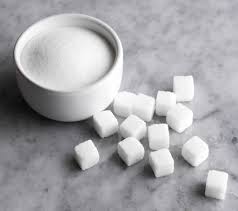
记忆方法
1、sugar 一路从梵语传过来,最原始的意思不是甜,是"碎石、沙粒"——糖本来就是一粒粒的。同根还有 sucrose 蔗糖、saccharin 糖精,连 crocodile 鳄鱼都算远亲(鳄鱼的名字字面是"在鹅卵石上晒太阳的虫")。
2、拼写陷阱:s 读成 sh 的 /ʃ/,u 读短音 /ʊ/,整个词是"SHUG-er" /ˈʃʊɡ.ər/,照字母直读就错了。
3、分工:sugar 指用甘蔗、甜菜制的糖(砂糖);说糖果时英式用 sweets、美式用 candy。
2、拼写陷阱:s 读成 sh 的 /ʃ/,u 读短音 /ʊ/,整个词是"SHUG-er" /ˈʃʊɡ.ər/,照字母直读就错了。
3、分工:sugar 指用甘蔗、甜菜制的糖(砂糖);说糖果时英式用 sweets、美式用 candy。
机器生成的内容难免有错,看到不靠谱的拆解请告诉我们
词族 · sugar
中文词源
sugar 糖
来自古法语 sucre,来自拉丁语 succarum,来自阿拉伯语 sukkar,来自波斯语 shakar,来自梵语 sharkara,糖,糖粒,字面意思为小石料,小沙粒,词源同 saccharin,sucrose.最终来自 PIE*korkeh, 小石子,碎石,并由该词根衍生希腊语 kroke,鹅卵石,和 krokodilos,在鹅卵石上晒太阳的虫, 即 crocodile,鳄鱼。
英语词源
- sugar
-
sugar: [13] The ultimate source of sugar is Sanskrit, where the substance was named with a term that originally meant ‘gravel, grit’ – sharkarā. This was borrowed into Arabic as sukkar, which made its way into English via medieval Latin succarum, Italian zucchero, and Old French sukere. The Sanskrit word was also acquired by Greek as sákkharon, which passed into English through medieval Latin saccharum as saccharin.
=> saccharin - sugar (n.)
- late 13c., sugre, from Old French sucre "sugar" (12c.), from Medieval Latin succarum, from Arabic sukkar, from Persian shakar, from Sanskrit sharkara "ground or candied sugar," originally "grit, gravel" (cognate with Greek kroke "pebble"). The Arabic word also was borrowed in Italian (zucchero), Spanish (azucar, with the Arabic article), and German (Old High German zucura, German Zucker), and its forms are represented in most European languages (such as Serbian cukar, Polish cukier, Russian sakhar).
Its Old World home was India (Alexander the Great's companions marveled at the "honey without bees") and it remained exotic in Europe until the Arabs began to cultivate it in Sicily and Spain; not until after the Crusades did it begin to rival honey as the West's sweetener. The Spaniards in the West Indies began raising sugar cane in 1506; first grown in Cuba 1523; first cultivated in Brazil 1532. The reason for the -g- in the English word is obscure (OED compares flagon, from French flacon). The pronunciation shift from s- to sh- is probably from the initial long vowel sound syu- (as in sure).
As a type of chemical compound from 1826. Slang "euphemistic substitute for an imprecation" [OED] is attested from 1891. As a term of endearment, first recorded 1930. Sugar-cane is from 1560s. Sugar-maple is from 1731. Sugar loaf was originally a moulded conical mass of refined sugar (early 15c.); now obsolete, but sense extended 17c. to hills, hats, etc. of that shape. - sugar (v.)
- early 15c., "to sweeten with sugar," also figuratively, "to make more pleasing, mitigate the harshness of," from sugar (n.). Related: Sugared; sugaring.
权威例句
- 1. Blend the butter with the sugar and beat until light and creamy.
- 把糖掺入黄油然后搅拌至滑软细腻。
- 2. I need my fix of sugar, sweets, and chocolate.
- 我离不开糖、甜品和巧克力。
- 3. Sugar gives quick relief to hunger but provides no lasting nourishment.
- 糖能快速缓解饥饿感,但不能提供持久的营养。
- 4. He wants three teaspoons of sugar in his coffee.
- 他要在咖啡里放3茶匙的糖。
- 5. To keep their bees from wandering, beekeepers feed them sugar solutions.
- 为了防止蜜蜂迷路,养蜂人给它们喝糖水。
词语辨析
【sweets, candy, sugar】
这组词都有“糖”的意思,其区别是:
sweets: 表糖果时,为英国用词
candy: 表糖果时,为美国英语
sugar: 侧重指用甘蔗或甜菜制成的糖。
这组词都有“糖”的意思,其区别是:
sweets: 表糖果时,为英国用词
candy: 表糖果时,为美国英语
sugar: 侧重指用甘蔗或甜菜制成的糖。