记忆方法
1. soil => sole.
看到不对的地方请告诉我们
词族 · sole
中文词源
sole 单独的,唯一的,全权处理的
来自拉丁语 solus,单独的,唯一的,词源不详。可能来自 se,自己,来自 PIE*swo,自身,词源 同 self,solitary.引申比喻义全权处理的。
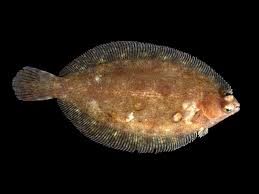
sole 脚掌,鳎(一种可食用比目鱼)来自拉丁语 solum,脚掌,底部,基础,词源同 soil,大地,陆地。后也用于指一种可食用的比 目鱼,因其形如脚掌而得名。
英语词源
- sole
-
sole: English has three separate words sole, two of them closely related. Sole ‘underneath of the foot’ [14] comes via Old French sole from Vulgar Latin *sola, a descendant of Latin solea ‘sandal, sill’ (a possible relative of English sill). And this in turn was derived from Latin solum ‘ground, sole of the foot’ (a possible contributor to English soil). Sole ‘flatfish’ [14] was independently borrowed from Old French sole in the sense ‘flatfish’, a metaphorical extension based on the similarity in shape between the fish and the sole of the foot. Sole ‘only’ [14] comes via Old French soul (ancestor of modern French seul ‘only, sole’) from Latin sōlus ‘alone, single’.
The origins of this are uncertain, but it may be related to the pronoun sē ‘oneself’, in which case it could mean etymologically ‘by oneself’. Its other contributions to English include desolate [14], soliloquy [17], solitary [14], solo [17] (via Italian), and sullen.
=> sill; desolate, solitary, solo, sullen - sole (n.1)
- "bottom of the foot" ("technically, the planta, corresponding to the palm of the hand," Century Dictionary), early 14c., from Old French sole, from Vulgar Latin *sola, from Latin solea "sandal, bottom of a shoe; a flatfish," from solum "bottom, ground, foundation, lowest point of a thing" (hence "sole of the foot"), a word of uncertain origin. In English, the meaning "bottom of a shoe or boot" is from late 14c.
- sole (adj.)
- "single, alone, having no husband or wife; one and only, singular, unique," late 14c., from Old French soul "only, alone, just," from Latin solus "alone, only, single, sole; forsaken; extraordinary," of unknown origin, perhaps related to se "oneself," from PIE reflexive root *swo- (see so).
- sole (n.2)
- common European flatfish, mid-13c., from Old French sole, from Latin solea "a kind of flatfish," originally "sandal" (see sole (n.1)); so called from resemblance of the fish to a flat shoe.
- sole (v.)
- "furnish (a shoe) with a sole," 1560s, from sole (n.1). Related: Soled; soling.
权威例句
- 1. I wear my old shoes every day. One sole has come unglued.
- 我每天都穿那双旧鞋,有一只鞋底已经脱胶了。
- 2. The current sole superpower is far from being a disinterested observer.
- 当前唯一的超级大国远不是一个公正的旁观者。
- 3. Rafferty was the sole survivor from the successful Ireland team of 1988.
- 拉弗蒂是1988年红极一时的爱尔兰队硕果仅存的球员。
- 4. The plaintiff's sole witness, a gambler and layabout, was easily discredited.
- 原告唯一的证人嗜赌成性,游手好闲,其证词一下子就被推翻了。
- 5. He was the sole proprietor with total management control.
- 他是唯一业主,掌握全部管理权。
词语辨析
【unique, single, only, alone, sole】
这组词都有“唯一的”的意思,其区别是:
unique: 非正式用词,侧重在一类中唯一无可匹敌、无与伦比的特征。
single: 语气较强,强调仅此一个,再无第二个。
only: 普通用词,常可与sole换用,但侧重仅限于指定的人或物,而不需要更多。
alone: 着重专指某人或某物,而不是别的。
sole: 语气强于only,指仅有一个或一群,只考虑这一个或这一群。
这组词都有“唯一的”的意思,其区别是:
unique: 非正式用词,侧重在一类中唯一无可匹敌、无与伦比的特征。
single: 语气较强,强调仅此一个,再无第二个。
only: 普通用词,常可与sole换用,但侧重仅限于指定的人或物,而不需要更多。
alone: 着重专指某人或某物,而不是别的。
sole: 语气强于only,指仅有一个或一群,只考虑这一个或这一群。