记忆方法
1、small 最早说的是"磨出来的小碎末",和 meal(粉、一顿饭)、mill(磨坊)同祖:磨碎的当然是小的。三个词串一起记,谁也忘不掉。
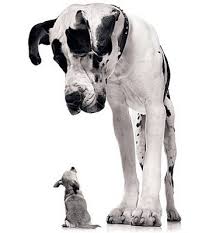
2、表"小"的一群各有分工:small 说数量、面积、体积的小;little 带感情,小而可爱;tiny 小得超出正常比例;miniature 是正常东西的缩小版;minute 小得几乎看不见。
3、拼写别写成 sh 开头,是 s-m-all,两个 l 收尾。它的反义词走两条路:大小对 large,多少对 little。
2、表"小"的一群各有分工:small 说数量、面积、体积的小;little 带感情,小而可爱;tiny 小得超出正常比例;miniature 是正常东西的缩小版;minute 小得几乎看不见。
3、拼写别写成 sh 开头,是 s-m-all,两个 l 收尾。它的反义词走两条路:大小对 large,多少对 little。
机器生成的内容难免有错,看到不靠谱的拆解请告诉我们
词族 · small
派生词
中文词源
small 小的,小号的,年幼的
来自古英语 smael,小的,狭窄的,苗条的,来自 Proto-Germanic*smalaz,小的,来自 PIE*smal, 小的。引申诸相关比喻义。
英语词源
- small
-
small: [OE] Small comes from a prehistoric Germanic *smalaz, which in turn probably goes back ultimately to *smel-, a variant of the Indo- European base *mel- ‘grind’ (source of English meal, mill, etc). Etymologically, therefore, it could well denote ‘ground up into little bits’. Its Germanic relatives, such as German schmal and Dutch smal, have become specialized in meaning to ‘narrow’, but while English did start off down this semantic path, it has long since abandoned it.
=> meal, mill, molar - small (adj.)
- Old English smæl "thin, slender, narrow; fine," from Proto-Germanic *smal- "small animal; small" (cognates: Old Saxon, Danish, Swedish, Middle Dutch, Dutch, Old High German smal, Old Frisian smel, German schmal "narrow, slender," Gothic smalista "smallest," Old Norse smali "small cattle, sheep"), perhaps from a PIE root *(s)melo- "smaller animal" (cognates: Greek melon, Old Irish mil "a small animal;" Old Church Slavonic malu "bad"). Original sense of "narrow" now almost obsolete, except in reference to waistline and intestines.
My sister ... is as white as a lilly, and as small as a wand. [Shakespeare, "Two Gentlemen of Verona," 1591]
Sense of "not large, of little size" developed in Old English. Of children, "young," from mid-13c. Meaning "inferior in degree or amount" is from late 13c. Meaning "trivial, unimportant" is from mid-14c. Sense of "having little property or trade" is from 1746. That of "characterized by littleness of mind or spirit, base, low, mean" is from 1824. As an adverb by late 14c.
Small fry, first recorded 1690s of little fish, 1885 of insignificant people. Small potatoes "no great matter" first attested 1924; small change "something of little value" is from 1902; small talk "chit-chat, trifling conversation" (1751) first recorded in Chesterfield's "Letters." Small world as a comment upon an unexpected meeting of acquaintances is recorded from 1895. Small-arms, indicating those capable of being carried in the hand (contrasted to ordnance) is recorded from 1710. - small (n.)
- early 13c., "small person or animal," from small (adj.). From c. 1300 as "persons of low rank" (opposed to great); late 15c. as "the small part" of something (such as small of the back, 1530s).
权威例句
- 1. It's not about making the amazing saves. It's the little things and small things that made great gatekeepers great.
- 伟大的门将不是靠神奇的扑救成就,而是靠注重小事和细节成功。(Tim Howard美国国家队门将)
- 2. Three prisoners were sharing one small cell 3 metres by 2 metres.
- 3个囚犯关在一个3米长2米宽的小牢房里。
- 3. Albania is a small nation state of around 3 million people.
- 阿尔巴尼亚是一个大约有300万人口的单一民族独立国家。
- 4. The Inspector remembered her as a small, mousy woman, invariably worried.
- 检察官记得,她是一个矮小、羞怯、总是闷闷不乐的人。
- 5. No detail was too small to escape her attention.
- 再小的细节都逃不过她的眼睛。
词语辨析
【minute, tiny, little, small, miniature】
这组词都有“小的”的意思,其区别是:
minute: 指小得难看见,有时需用显微镜才看得见。
tiny: 强调与同类或其他物体比较,小得超出正常比例,有时带强烈的感情色彩。
little: 指在体积、数量、距离、年龄、身材等方面比正常的小,多带主观感情色彩,含小而可爱或小巧的意味。
small: 多指数量、面积、体积、价值、数字或意义等的小或少,指略小于正常的大小。
miniature: 指由正常体积微缩的物体。
这组词都有“小的”的意思,其区别是:
minute: 指小得难看见,有时需用显微镜才看得见。
tiny: 强调与同类或其他物体比较,小得超出正常比例,有时带强烈的感情色彩。
little: 指在体积、数量、距离、年龄、身材等方面比正常的小,多带主观感情色彩,含小而可爱或小巧的意味。
small: 多指数量、面积、体积、价值、数字或意义等的小或少,指略小于正常的大小。
miniature: 指由正常体积微缩的物体。