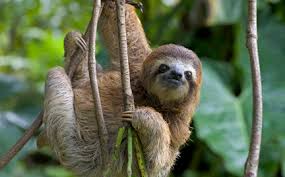
记忆方法
1、联想法:slow 慢慢的----就会变成---懒惰
2. slow => sloth.
2. slow => sloth.
看到不对的地方请告诉我们
词族 · sloth
词形变化
派生词
英语词源
- sloth (n.)
- late 12c., "indolence, sluggishness," formed from Middle English slou, slowe (see slow (adj.)) + abstract formative -th (2). Replaced Old English slæwð "sloth, indolence." Sense of "slowness, tardiness" is from mid-14c. As one of the deadly sins, it translates Latin accidia.
The slow-moving mammal first so called 1610s, a translation of Portuguese preguiça "slowness, slothfulness," from Latin pigritia "laziness" (compare Spanish perezosa "slothful," also "the sloth").
权威例句
- 1. He admitted a lack of motivation and a feeling of sloth.
- 他承认自己缺乏动力,总想犯懒。
- 2. Absence of competition makes for sloth.
- 没有竞争会导致懒惰.
- 3. Sloth turns the edge of wit.
- 懒散能磨去才智的锋芒.
- 4. Sloth is the mother of poverty.
- 懒惰是贫穷的原因.
- 5. The sloth spends most of its time hanging upside down from the branches.
- 大部分时间里树懒都是倒挂在树枝上.