记忆方法
1、sink 是日耳曼老户(德 sinken、荷 zinken、瑞典 sjunka 都亲戚),往上追到 *sengw-"下沉",同族 sag(下坠、松弛)、saggy(松垮垮)。古英语里"自己沉"归 sink,"弄沉"另有个 sench,死后 sink 一人打两份工。
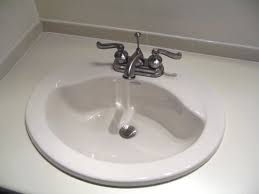
2、名词"水槽"来路直观:地上挖个下沉的坑接污水,后来登堂入室进了厨房——本义还是"往下走的地方"。
3、下降一族:drop 从高处掉、fall 突然落下、sink 在空气或水里垂直沉、descend 沿斜坡下降。读 /sɪŋk/,sink or swim 孤注一掷。
2、名词"水槽"来路直观:地上挖个下沉的坑接污水,后来登堂入室进了厨房——本义还是"往下走的地方"。
3、下降一族:drop 从高处掉、fall 突然落下、sink 在空气或水里垂直沉、descend 沿斜坡下降。读 /sɪŋk/,sink or swim 孤注一掷。
机器生成的内容难免有错,看到不靠谱的拆解请告诉我们
词族 · sink
派生词
中文词源
sink 下沉,下陷,沉没
来自古英语 sincan,下沉,下陷,来自 Proto-Germanic*senkwan,下沉,下陷,来自 PIE*sengw, 下沉,下陷,词源同 sag,saggy.
英语词源
- sink
-
sink: [OE] Sink is a general Germanic verb, with relatives in German sinken, Dutch zinken, Swedish sjunka, and Danish synke. But where their common Germanic ancestor came from is not known. These days, sink means both ‘go below water’ and ‘cause to go below water’, but originally it was used only for the former. There was a separate but closely related verb, sench, for ‘cause to sink’, which died out in the 14th century. The noun sink [15] originally denoted a pit ‘sunk’ in the ground for receiving water.
- sink (v.)
- Old English sincan (intransitive) "become submerged, go under, subside" (past tense sanc, past participle suncen), from Proto-Germanic *senkwan (cognates: Old Saxon sinkan, Old Norse sökkva, Middle Dutch sinken, Dutch zinken, Old High German sinkan, German sinken, Gothic sigqan), from PIE root *sengw- "to sink."
The transitive use (mid-13c.) supplanted Middle English sench (compare drink/drench) which died out 14c. Related: Sank; sunk; sinking. Sinking fund is from 1724. Adjective phrase sink or swim is from 1660s. To sink without a trace is World War I military jargon, translating German spurlos versenkt. - sink (n.)
- early 15c., "cesspool, pit for reception of wastewater or sewage," from sink (v.). Figurative sense of "place where corruption and vice abound" is from 1520s. Meaning "drain for carrying water to a sink" is from late 15c. Sense of "shallow basin (especially in a kitchen) with a drainpipe for carrying off dirty water" first recorded 1560s. In science and technical use, "place where heat or other energy is removed from a system" (opposite of source), from 1855.
权威例句
- 1. In a naval battle your aim is to sink the enemy's ship.
- 在海战中目标就是击沉敌船。
- 2. Make sure the draining board, sink and plug hole are regularly disinfected.
- 滴水板、水槽和塞孔一定要定期消毒。
- 3. She went to the sink and ran water into her empty glass.
- 她走到水槽边,把空玻璃杯灌上水。
- 4. The knife for cutting sausage was sitting in the sink.
- 切香肠用的刀放在水槽里。
- 5. Joanne stood with her hands on the sink, staring out the window.
- 乔安妮站着,两手放在水槽上,眼睛定定地望着窗外。
词语辨析
【drop, fall, sink, descend】
这组词都有“落下,下降”的意思,其区别是:
drop: 指物体从一定高度落下。
fall: 与drop同义,指突然或猛烈地降落,但fall也可指任何下落,同高度或形式无关。
sink: 指在空气或水中垂直下降、下沉。
descend: 通常指沿斜线或斜坡下降。
这组词都有“落下,下降”的意思,其区别是:
drop: 指物体从一定高度落下。
fall: 与drop同义,指突然或猛烈地降落,但fall也可指任何下落,同高度或形式无关。
sink: 指在空气或水中垂直下降、下沉。
descend: 通常指沿斜线或斜坡下降。