记忆方法
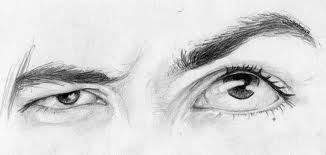
1、scept- + -ic.
2、以审视的眼光去看待问题、看待各种事物/现象,也就是以怀疑的眼光、态度去看待问题、看待各种事物/现象。
2、以审视的眼光去看待问题、看待各种事物/现象,也就是以怀疑的眼光、态度去看待问题、看待各种事物/现象。
看到不对的地方请告诉我们
词族 · sceptic
词形变化
派生词
英语词源
- sceptic
-
sceptic: [16] The Greek verb sképtesthai meant ‘examine, consider’ (it was descended from a base *skep- which was related to *skop-, source of English scope, and may have been a reversed version of *spek-, from which English gets spectator, speculate, etc). From it was derived the adjective skeptikós, which was applied to various schools of philosophy (particularly that of Pyrrho of Elis) which stressed the need for careful examination of a proposition, starting from an attitude of doubt, before accepting it.
The word passed via Latin scepticus and French sceptique into English as sceptic, by which time it had acquired broader connotations of ‘initial doubt’.
=> scope - sceptic (n.)
- chiefly British English spelling of skeptic (q.v.). Related: Sceptical; sceptically; scepticism.
权威例句
- 1. You may be a sceptic and put it down to life's inequalities.
- 你或许是个怀疑论者,会把它归因于生活的不公正。
- 2. He was a born sceptic.
- 他天生多疑。
- 3. Arriving in Egypt, Frederick met the sultan, a fellow sceptic in religious questions.
- 抵达埃及后, 腓特烈拜见了宗教怀疑论者同伴苏丹.
- 4. Perhaps he is a climate sceptic – I have no idea.
- 或许他是一名气候变化怀疑论者——我也不清楚.
- 5. The empirical sceptic appropriately responds: how do you know?
- 经验主义的怀疑者可以作适当的反应: 你是如何知道的?