记忆方法
1、safe 和 save(救)是一家:拉丁 salvus「完好、没受伤」——没受损害就是"安全的"。一个 f 一个 v,读音 /seɪf/ 对 /seɪv/,听力里最容易混,靠上下文定。
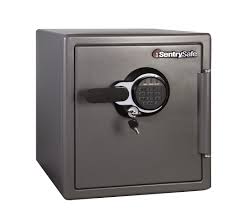
2、词族:safety 安全、safely 平安地、save 救、节省、savings 存款(银行那个)、salvation 救赎。名词 safe 还有"保险箱",指东西放得安全的那个柜子。
3、辨析:safe 说没遇到危险,secure 说环境可靠让人放心;搭配 play it safe 求稳、safe and sound 安然无恙、keep fit and safe。拼写 safe 以 -fe 收尾,名词 safety 里 e 掉了;别写成 save(作形容词时不作此拼)。
2、词族:safety 安全、safely 平安地、save 救、节省、savings 存款(银行那个)、salvation 救赎。名词 safe 还有"保险箱",指东西放得安全的那个柜子。
3、辨析:safe 说没遇到危险,secure 说环境可靠让人放心;搭配 play it safe 求稳、safe and sound 安然无恙、keep fit and safe。拼写 safe 以 -fe 收尾,名词 safety 里 e 掉了;别写成 save(作形容词时不作此拼)。
机器生成的内容难免有错,看到不靠谱的拆解请告诉我们
中文词源
safe 安全的,保险箱,保险柜
来自古法语 sauf,安全的,受保护的,来自拉丁语 salvus,安全的,健康的,完整的,来自 PIE*sol, 完整的,整个的,词源同 solid,save,salvation.字母 l 软化为 u,最终脱落。引申词义保险箱等。
英语词源
- safe
-
safe: [13] Like save, and indeed salvage and salvation, safe comes from Latin salvus ‘uninjured’. It reached English via Old French sauf. Salvus itself went back to a prehistoric Indo-European *solwos ‘whole’, which came from the same base that produced English soldier, solemn, and solid. The noun safe ‘strongbox’ [15] was originally save, a derivative of the verb, but by the late 17th century it had, under the influence of the adjective, become safe.
The plant-name sage [14] comes via Old French sauge from Latin salvia, etymologically the ‘healing’ plant, a derivative of salvus (English acquired salvia itself in the 19th century).
=> sage, salute, salvage, salvation, salvia, save, soldier, solemn, solid - safe (n.)
- "chest for keeping food or valuables," early 15c., save, from Middle French en sauf "in safety," from sauf (see safe (adj.)). Spelling with -f- first recorded 1680s, from influence of safe (adj.).
- safe (adj.)
- c. 1300, "unscathed, unhurt, uninjured; free from danger or molestation, in safety, secure; saved spiritually, redeemed, not damned;" from Old French sauf "protected, watched-over; assured of salvation," from Latin salvus "uninjured, in good health, safe," related to salus "good health," saluber "healthful," all from PIE *solwos from root *sol- "whole" (cognates: Latin solidus "solid," Sanskrit sarvah "uninjured, intact, whole," Avestan haurva- "uninjured, intact," Old Persian haruva-, Greek holos "whole").
As a quasi-preposition from c. 1300, on model of French and Latin cognates. From late 14c. as "rescued, delivered; protected; left alive, unkilled." Meaning "not exposed to danger" (of places) is attested from late 14c.; of actions, etc., "free from risk," first recorded 1580s. Meaning "sure, reliable, not a danger" is from c. 1600. Sense of "conservative, cautious" is from 1823. Paired alliteratively with sound (adj.) from late 14c. The noun safe-conduct (late 13c.) is from Old French sauf-conduit (13c.).
权威例句
- 1. Just play it safe, cover your ass, keep your head down.
- 要谨慎行事,保护好自己并保持低调。
- 2. Rock'n'roll has become so commercialised and safe since punk.
- 摇滚乐自从朋克乐以后就已经过于商业化而缺乏新意了。
- 3. I wanted to get her away to somewhere safe.
- 我想带她逃到一个安全的地方。
- 4. In order to make it safe, the element is electrically insulated.
- 为安全起见,该元件作了电绝缘处理。
- 5. The nearest safe anchorage was in Halifax, Nova Scotia.
- 最近的安全泊地在新斯科舍省的哈利法克斯。
词语辨析
【safe, secure】
这组词都有“安全的”的意思,其区别是:
safe: 主要指人或物未受危险或损害。
secure: 着重指由于环境等因素而使人产生的安全感,含可以不必担心或害怕的意味。
这组词都有“安全的”的意思,其区别是:
safe: 主要指人或物未受危险或损害。
secure: 着重指由于环境等因素而使人产生的安全感,含可以不必担心或害怕的意味。