记忆方法
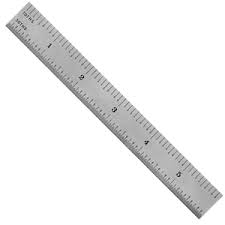
1、rule 祖上是拉丁 regula"直棍、尺子",出自 regere(拉直、管理)——规则、规章的本字面就是一把直尺:拿尺子把样子画直、把人管直。
2、同门一大堆:regular(有规律的、定期的)、regulate(调节、规定)、royal(皇家的,走拉丁 rex"国王"那条支)、rail(横杆、栏杆,字面"直条")。
3、统治、规定、裁决一条线:as a rule 通常,rule of thumb 经验法则;law 是立法通过的法,rule 指团体规章、比赛规则、行为习惯。拼写 r-ule,/ruːl/。
2、同门一大堆:regular(有规律的、定期的)、regulate(调节、规定)、royal(皇家的,走拉丁 rex"国王"那条支)、rail(横杆、栏杆,字面"直条")。
3、统治、规定、裁决一条线:as a rule 通常,rule of thumb 经验法则;law 是立法通过的法,rule 指团体规章、比赛规则、行为习惯。拼写 r-ule,/ruːl/。
机器生成的内容难免有错,看到不靠谱的拆解请告诉我们
词族 · rule
派生词
中文词源
rule 统治,支配,规则,规章
缩写自拉丁语 regula,直尺,规则,来自拉丁语 regere,拉直,管理,词源同 regulate.引申诸相 关词义。
英语词源
- rule
-
rule: [13] Rule is one of a largish family of English words that go back ultimately to Latin rēgula ‘straight stick, ruler, rule, pattern’ (whose close relatives rēx ‘king’ and regere ‘rule’ have also contributed royally to English vocabulary in the form of rector, regent, regiment, royal, etc). Derivatives have produced regular and regulate, while rēgula itself has given rail ‘bar’ and, via Vulgar Latin *regula and Old French reule, rule.
=> rail, raj, rector, regal, regent, regular, regulate, royal - rule (n.)
- c. 1200, "principle or maxim governing conduct, formula to which conduct must be conformed" from Old French riule, Norman reule "rule, custom, (religious) order" (in Modern French partially re-Latinized as règle), from Vulgar Latin *regula, from Latin regula "straight stick, bar, ruler;" figuratively "a pattern, a model," related to regere "to rule, straighten, guide" (see regal). Replaced Old English wealdan.
Meaning "regulation governing play of a game, etc." is from 1690s. Phrase rule of thumb first attested 1690s. Rule of law "supremacy of impartial and well-defined laws to any individual's power" is from 1883. Meaning "strip used for making straight lines or measuring" is recorded from mid-14c. Typography sense is attested from 1680s. - rule (v.)
- c. 1200, "to control, guide, direct," from Old French riuler "impose rule," from Latin regulare (see regulate). Legal sense "establish by decision" is recorded from early 15c. Meaning "mark with lines" is from 1590s. Meaning "to dominate, prevail" is from 1874. "Rule Brittania," patriotic song, is from 1740. Related: Ruled; ruling.
权威例句
- 1. Ministers took the floor to denounce the decision to suspend constitutional rule.
- 几位部长发言谴责暂停宪制的决定。
- 2. Senior officers could be considering a coup to restore authoritarian rule.
- 高官们可能会策划一场政变来复辟独裁统治。
- 3. The North has been under Communist rule since 1954.
- 北方自1954年起就一直处于共产党的统治之下。
- 4. One rule specifies that learner drivers must be supervised by adults.
- 一条规则明确规定,见习驾驶员必须有成人的监督。
- 5. The rule applies where a person owns stock in a corporation.
- 该规定适用于持有公司股票的人。
词语辨析
【law, rule, regulation, code, act, constitution】
这组词都有“法同,法规”的意思,其区别是:
law: 普通用词,泛指由最高当局所制订、立法机构所通过的任何成文或不成文的法规或条例。
rule: 通常指机关、团体的规章、条例或比赛规则;也指对人行为、方法等所作的规定,还可指习俗所承认的规定。
regulation: 普通用词,指用于管理、指导或控制某系统或组织的规则、规定或原则等。
code: 指某一阶层或社会所遵守的一整套法典、法规或法则;也可指与某一特殊活动或主题有关的规则。
act: 指经立法机构通过并由行政管理签署的法案。
constitution: 指治理国家或国家在处理内外政务时所遵循的基本法律和原则;也指规章规则的汇集。
【direct, control, supervise, govern, administer, rule, manage】
这组词都有“管理、支配”的意思,其区别是:
direct: 侧重行使领导或指导权。
control: 含义广泛的常用词,指对人或物施以约束或控制的力量。
supervise: 侧重指运用本身的或被授予的权力来管理、检查工作,含监督意味。
govern: 侧重指运用任何控制的权力来统治或管理一个国家、一个社会或一个部门,暗含能力和知识的运用。
administer: 指官方的或正式的对事务的管理。
rule: 强调用绝对或独裁的权力来管理或统治。
manage: 强调对具体事务机构进行管理,有时含受权管理或处理之意。
【law, principle, rule, regulation】
law: 指具体的法律,法规,法令
principle: 原理,原则,用作复数是指行为的准则,规范
rule: 规则,规章,惯常的做法,习惯
regulation: 通常用作复数,法规,条例