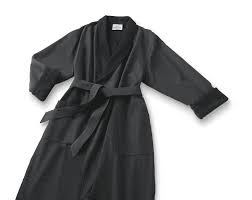
记忆方法
1. rob => robe.
2. Presumably the notion is of garments taken from the enemy as spoils, and the Old French word had a secondary sense of "plunder, booty".
2. Presumably the notion is of garments taken from the enemy as spoils, and the Old French word had a secondary sense of "plunder, booty".
看到不对的地方请告诉我们
词族 · robe
中文词源
robe 袍服,礼袍
词源同 rob,抢劫。代称,因过去衣服,特别是袍子是重要的战利品。
英语词源
- robe
-
robe: [13] A robe is etymologically ‘something stolen’, hence a ‘looted garment’, and finally simply a ‘(long) garment’. The word comes ultimately from Vulgar Latin *rauba, which was borrowed from the same Germanic base as produced English bereave and rob. It passed into English via Old French robe. This still retained the ancestral meaning ‘stolen things, spoils’ as well as the new ‘garment’, and in that sense it has given English rubbish and rubble.
=> rob - robe (n.)
- "long, loose outer garment," late 13c., from Old French robe "long, loose outer garment" (12c.), from a Germanic source (compare Old High German rouba "vestments"), from West Germanic *raubo "booty" (cognate with Old High German roub "robbery, breakage"), which also yielded rob (v.).
Presumably the notion is of garments taken from the enemy as spoils, and the Old French word had a secondary sense of "plunder, booty," while Germanic cognates had both senses; as in Old English reaf "plunder, booty, spoil; garment, armor, vestment." Meaning "dressing gown" is from 1854. Metonymic sense of "the legal profession" is attested from 1640s. - robe (v.)
- late 14c., from robe (n.). Related: Robed; robing.
权威例句
- 1. He brought forth a small gold amulet from beneath his robe.
- 他从袍子下面拿出一个不大的金护身符。
- 2. He helped her off with her robe.
- 他帮她脱去袍子。
- 3. The emperor was clad in a rich robe encrusted with jewels.
- 皇帝身穿一件镶满宝石的华贵礼袍.
- 4. She was wearing only a thin robe over a flimsy nightdress, and her feet were bare.
- 她只在薄如蝉翼的睡衣外套了一件薄睡袍,而且光着脚。
- 5. A soft white robe had been draped over a chair for Joanna's use.
- 一件柔软的白袍子搭在椅子上,供乔安娜使用。
词语辨析
【uniform, clothing, clothes, dress, garment, suit, costume, gown, robe, coat】
这组词都有“衣服、服装”的意思,其区别是:
uniform: 指某团体或组织统一做的制服,如军服、校服等。
clothing: 常用词,集合名词,是衣服的总称。
clothes: 普通用词,多指包括上衣、内衣或裤子等具体的一件件衣服。
dress: 多指正式场合或为某些特定用途而穿的服装,也指童装或女性穿的连衣裙。
garment: 语气庄重,正式用词,复数形式可与clothes换用,指身上全部穿着。单数形式指单件衣服,尤指长袍、外套等外面的衣服。
suit: 指一套服装,一般有几件配成一套的套装。
costume: 指流行某一地区或某一时代的服装,也指演员的戏装。
gown: 指女人穿的长服,尤指教士、法官、教授等的礼服或妇女的睡衣等,也指长袍。
robe: 指长袍,也指浴衣、晨衣。
coat: 指上衣、外衣、大衣、外套及女式上装。