记忆方法
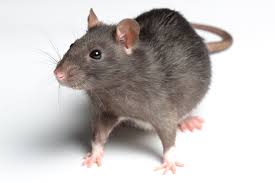
1、rat 和 mouse(鼠)分大小:mouse 偏屋里的小家鼠,rat 指个头大、多在室外的那种;复数变化也不同,mouse 变 mice,rat 直接加 s 变 rats。
2、骂人时 rat 是"卑鄙小人、叛徒",动词 rat on someone 就是"出卖某人";老鼠临下船先跑,这个画面把"逃、告密"两层意思拴在一起。
3、习语一句:smell a rat(闻着不对劲、起疑)。正式亲戚是 rodent(啮齿动物,就是门牙突出的那大类),啃来啃去就是这一族的老义。
2、骂人时 rat 是"卑鄙小人、叛徒",动词 rat on someone 就是"出卖某人";老鼠临下船先跑,这个画面把"逃、告密"两层意思拴在一起。
3、习语一句:smell a rat(闻着不对劲、起疑)。正式亲戚是 rodent(啮齿动物,就是门牙突出的那大类),啃来啃去就是这一族的老义。
机器生成的内容难免有错,看到不靠谱的拆解请告诉我们
词族 · rat
中文词源
rat 老鼠
来自中古英语 rat,老鼠,来自古英语 raet,老鼠,来自 Proto-Germanic*ratto,刮,咬,来自 PIE*red, 刮,咬,词源同 rodent,eraser.
英语词源
- rat
-
rat: [OE] Rat is a general western European term, with relatives in French rat, Italian ratto, Spanish rata, German ratte, Dutch rat, Swedish råatta, and Danish rotte. These all come from Vulgar Latin *rattus, whose origin is unknown.
- rat (n.)
- late Old English ræt "rat," of uncertain origin. Similar words are found in Celtic (Gaelic radan), Romanic (Italian ratto, Spanish rata, French rat) and Germanic (Old Saxon ratta; Dutch rat; German Ratte, dialectal Ratz; Swedish råtta, Danish rotte) languages, but connection is uncertain and origin unknown. In all this it is very much like cat.
Perhaps from Vulgar Latin *rattus, but Weekley thinks this is of Germanic origin, "the animal having come from the East with the race-migrations" and the word passing thence to the Romanic languages. American Heritage and Tucker connect Old English ræt to Latin rodere and thus PIE *red- "to scrape, scratch, gnaw," source of rodent (q.v.). Klein says there is no such connection and suggests a possible cognate in Greek rhine "file, rasp." Weekley connects them with a question mark and Barnhart writes, "the relationship to each other of the Germanic, Romance, and Celtic words for rat is uncertain." OED says "probable" the rat word spread from Germanic to Romanic, but takes no position on ultimate origin.RATS. Of these there are the following kinds: a black rat and a grey rat, a py-rat and a cu-rat. ["Dictionary of the Vulgar Tongue," Grose, 1788]
Middle English common form was ratton, from augmented Old French form raton. Sense of "one who abandons his associates" (1620s) is from belief that rats leave a ship about to sink or a house about to fall and led to meaning "traitor, informant" (1902; verb 1910). Interjection rats is American English, 1886. To smell a rat is 1540s; "to be put on the watch by suspicion as the cat by the scent of a rat; to suspect danger" [Johnson]. _____-rat, "person who frequents _____" (in earliest reference dock-rat) is from 1864. - rat (v.)
- 1812, "to desert one's party; 1864 as "to catch rats;" 1910 as "to peach on, inform on, behave dishonestly toward;" from rat (n.). Related: Ratted; ratting.
权威例句
- 1. If I don't send a picture, he will smell a rat.
- 如果我不寄出照片,他将有所察觉。
- 2. They were accused of encouraging children to rat on their parents.
- 他们被指控唆使儿童告发自己的父母。
- 3. The brown rat has prominent ears and a long scaly tail.
- 那只棕鼠两只耳朵向前支着,一条长尾巴布满鳞片。
- 4. Captain Hardnose certainly ran that rat over the hill.
- 哈得诺思上尉当然要求那个告密者离职了.
- 5. The lab assistant injected the rat with the new drug.
- 实验室助手给老鼠注射了那种新药.
词语辨析
【mouse, rat】
这组词都有“老鼠,耗子”的意思,其区别是:
mouse: 一般指体形较小的家鼠。
rat: 一般指生活在室外体形较大的一种老鼠。
这组词都有“老鼠,耗子”的意思,其区别是:
mouse: 一般指体形较小的家鼠。
rat: 一般指生活在室外体形较大的一种老鼠。