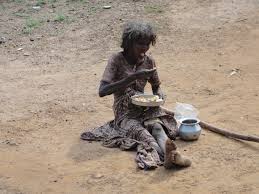
记忆方法
1. 谐音“破啊、破哦” --- 房子破破烂烂的 ---- 贫困的,贫穷的
看到不对的地方请告诉我们
词族 · poor
词形变化
中文词源
poor 贫穷的,贫乏的,劣质的,差的
来自古法语povre,穷的,弱的,不足的,来自拉丁语pauper,穷的,不富的,来自拉丁语*pau-paros,越来越少,越来越小,来自PIE*pau,少的,小的,词源同few,-paros,生育,产生,词源同parent.引申诸相关词义。
英语词源
- poor
-
poor: [13] Poor came via Old French povre from Latin pauper ‘poor’. This is thought originally to have been a compound meaning literally ‘getting little’, formed from paucus ‘little’ (a distant relative of English few) and parāre ‘get, prepare’ (source of English prepare). Its derivative paupertās has given English poverty [12], and pauper itself was acquired by English in the 16th century as a noun meaning ‘poor person’.
=> few, pauper, poverty - poor (adj.)
- c. 1200, "lacking money or resources, destitute; needy, indigent; small, scanty," from Old French povre "poor, wretched, dispossessed; inadequate; weak, thin" (Modern French pauvre), from Latin pauper "poor, not wealthy," from pre-Latin *pau-paros "producing little; getting little," a compound from the roots of paucus "little" (see paucity) and parare "to produce, bring forth" (see pare).
Replaced Old English earm. Figuratively from early 14c. Meaning "of inferior quality" is from c. 1300. Of inhabited places from c. 1300; of soil, etc., from late 14c. The poor boy sandwich, made of simple but filling ingredients, was invented and named in New Orleans in 1921. To poor mouth "deny one's advantages" is from 1965 (to make a poor mouth "whine" is Scottish dialect from 1822). Slang poor man's ________ "the cheaper alternative to _______," is from 1854. - poor (n.)
- "poor persons collectively," mid-12c., from poor (adj.). The Latin adjective pauper "poor" also was used in a noun sense "a poor man."
权威例句
- 1. Conditions for the poor in Los Angeles have not improved.
- 洛杉矶穷人的境况仍未得到改善。
- 2. This courtroom battle has been a poor advert for English justice.
- 这场法庭上的争论为英格兰的司法制度做了一次拙劣的广告。
- 3. The expedition was wrecked by bad planning and poor navigation.
- 这次探险因计划不周和导航不利而失败。
- 4. She has a poor complexion and pock marks on her forehead.
- 她满面菜色,额头上有些麻子。
- 5. Poor Dr Pegler got terribly behindhand with his appointments.
- 可怜的佩格勒博士大大落后于当初的约定。
词语辨析
【ill, poor, bad, evil, wicked】
这组词都有“坏的”的意思,其区别是:
ill: 与evil意义接近,但语气弱一些,常指道德或性质方面的不良。
poor: 普通用词,侧重指事物的质量或数量低于标准或不合要求。用于指天气与食品时可与bad通用。
bad: 含义广泛,指任何不好的或不合需要的品质。
evil: 语气比bad强,强调道德上的邪恶不良,含狡猾凶险或危害他人的意味。
wicked: 语气比evil强,指居心叵测,任意违反道德标准,有意作恶。
这组词都有“坏的”的意思,其区别是:
ill: 与evil意义接近,但语气弱一些,常指道德或性质方面的不良。
poor: 普通用词,侧重指事物的质量或数量低于标准或不合要求。用于指天气与食品时可与bad通用。
bad: 含义广泛,指任何不好的或不合需要的品质。
evil: 语气比bad强,强调道德上的邪恶不良,含狡猾凶险或危害他人的意味。
wicked: 语气比evil强,指居心叵测,任意违反道德标准,有意作恶。