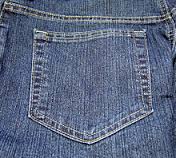
记忆方法
1、poke 是"袋子",加 -et(表"小")就成了小袋子 pocket。同一家还有 pouch(小袋、袋鼠的育儿袋)、pock(痘坑,皮肤上的小坑袋)、pucker(皱起,起小褶子),全是"鼓起一个小口袋"的画面。连 poach(水煮)也出自"装进袋子"——蛋白凝起来把蛋黄包成一个个小口袋,这个做法就是这么命名的;偷猎那个 poach 说法不一,可能也是"塞进口袋"。
2、pocket 不只指口袋:pocket money 零花钱;作动词是"塞进口袋",再引申成"私吞" he pocketed the change;作形容词=袖珍的,pocket knife 小折刀。
3、英语留了句老话 buy a pig in a poke——买了个说是装猪的袋子,指没看清就买,准上当。poke 在这里还是"袋子"的意思。
2、pocket 不只指口袋:pocket money 零花钱;作动词是"塞进口袋",再引申成"私吞" he pocketed the change;作形容词=袖珍的,pocket knife 小折刀。
3、英语留了句老话 buy a pig in a poke——买了个说是装猪的袋子,指没看清就买,准上当。poke 在这里还是"袋子"的意思。
机器生成的内容难免有错,看到不靠谱的拆解请告诉我们
词族 · pocket
中文词源
pocket 口袋,钱财,资金
来自古英语pocket,袋子,麻袋,来自Proto-Germanic*puk,鼓起,膨胀,来自PIE*beu,鼓起,膨胀,词源同poach,pouch.-et,小词后缀。即小袋子,引申词义口袋,钱财,资金等。
英语词源
-
pocket: [15] A pocket is etymologically a ‘small bag’. It comes from Anglo-Norman poket, a diminutive form of poke ‘bag’ (source of English poke ‘bag’ [13], now used only in the expression ‘buy a pig in a poke’). Its Old French equivalent was poche, source of English pouch [14] (and of poach). This was acquired from Frankish *pokka ‘bag’, a derivative of the same Germanic base (*puk-) as produced English pock (whose plural has become pox) and pucker.
=> poach, pock, poke, pouch, pucker - pocket (v.)
- 1580s, "to place in a pocket" (often with implications of dishonesty), from pocket (n.). From the earliest use often figurative. Meaning "to form pockets" is from c. 1600. Related: Pocketed; pocketing.
- pocket (n.)
- mid-14c., pokete, "bag, pouch, small sack," from Anglo-French pokete (13c.), diminutive of Old North French poque "bag" (Old French pouche), from a Germanic source akin to Frankish *pokka "bag," from Proto-Germanic *puk- (see poke (n.)).
Meaning "small bag worn on the person, especially one sewn into a garment" is from early 15c. Sense in billiards is from 1754. Mining sense is attested from 1850; military sense of "area held by troops surrounded by the enemy" is from 1918; the general sense of "small area different than its surroundings" (1926) apparently was extended from the military use. Figuratively, "one's money" (conceived as being kept in a pocket) is from 1717. Pope Pokett (late 15c.) was figurative of the greedy and corrupt Church. - pocket (adj.)
- 1610s, "of or pertaining to or meant for a pocket," from pocket (n.). Pocket-knife is first recorded 1727; pocket-money is attested from 1630s. Often merely implying a small-sized version of something (for example of of warships, from 1930; also compare Pocket Venus "beautiful, small woman," attested from 1808). Pocket veto attested from 1842, American English.
The "pocket veto" can operate only in the case of bills sent to the President within ten days of Congressional adjournment. If he retain such a bill (figuratively, in his pocket) neither giving it his sanction by signing it, nor withholding his sanction in returning it to Congress, the bill is defeated. The President is not bound to give reasons for defeating a bill by a pocket veto which he has not had at least ten days to consider. In a regular veto he is bound to give such reasons. [James Albert Woodburn, "The American Republic and its Government," Putnam's, 1903]
权威例句
- 1. He spends most of his pocket money on PlayStation games.
- 他大部分零花钱都用来买PS游戏了。
- 2. He took his flashlight from his jacket pocket and switched it on.
- 他从夹克口袋里拿出手电筒,打开开关。
- 3. We agreed to give her £6 a week pocket money.
- 我们同意每周给她6英镑零花钱。
- 4. Something was sticking from the pocket of the little man's grimy shorts.
- 小个子男人脏乎乎的短裤口袋里鼓鼓的,伸出来个什么东西。
- 5. Volunteers receive £21 pocket money each week, accommodation and expenses.
- 志愿者每周领到21英镑的零用钱,免费住宿,还得到一笔生活费。