记忆方法
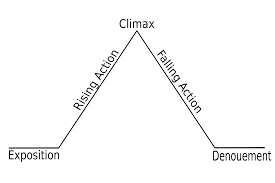
1、多义:①(小说、电影的)情节;②一小块地(a plot of land);③阴谋、密谋;作动词"策划、绘制(图表)"。单音节,英音 /plɒt/、美音 /plɑːt/。
2、可能来自"铺开、摊平"的老词根,和 plan(计划)、plate(板、图)同脉——把点子摊在纸上是"绘图、布局",把坏主意藏在心里就是"阴谋"。story plot 故事情节。
3、作"计划"时,plot 多指秘密的坏谋划(scheme 也可指阴谋);作"绘制"时侧重把点、线标成图。拼写 pl + ot。
2、可能来自"铺开、摊平"的老词根,和 plan(计划)、plate(板、图)同脉——把点子摊在纸上是"绘图、布局",把坏主意藏在心里就是"阴谋"。story plot 故事情节。
3、作"计划"时,plot 多指秘密的坏谋划(scheme 也可指阴谋);作"绘制"时侧重把点、线标成图。拼写 pl + ot。
机器生成的内容难免有错,看到不靠谱的拆解请告诉我们
词族 · plot
中文词源
plot 情节,布局,密谋,阴谋
来自古英语plot,小块土地,词源不详。可能来自PIE*pele,放平,展开,词源同plan,plate 引 申词义规划,布局,后词义贬义化,用于指密度,阴谋。
英语词源
- plot
-
plot: [11] Two separate and unrelated words have come together to form modern English plot. The earlier was late Old English plot, a term of unknown origin which denoted ‘area of ground’ (as in a ‘plot of land’). This subsequently developed to ‘ground plan’ and ‘diagram’, which formed the basis of ‘set of events in a story’ (first recorded in the 17th century). The other ancestor was Old French complot ‘secret scheme’ (also of unknown origin), which was originally borrowed into English in the 16th century as complot, but soon lost its prefix com-, no doubt under the influence of the already existing noun plot.
- plot (v.)
- 1580s, "to lay plans for" (usually with evil intent); 1590s in the literal sense of "to make a map or diagram," from plot (n.). Related: Plotted; plotter; plotting.
- plot (n.)
- Old English plot "small piece of ground," of unknown origin. Sense of "ground plan," and thus "map, chart" is 1550s; that of "a secret, plan, scheme" is 1580s, probably by accidental similarity to complot, from Old French complot "combined plan," of unknown origin, perhaps a back-formation from compeloter "to roll into a ball," from pelote "ball." Meaning "set of events in a story" is from 1640s. Plot-line (n.) attested from 1957.
权威例句
- 1. Sadly, the film is let down by an excessively simple plot.
- 遗憾的是,过于简单的情节使得这部电影差强人意。
- 2. The Tories have lost the plot on law and order.
- 保守党人在治安问题上不知所措。
- 3. Ackroyd worked out this whole plot with one objective in view.
- 阿克罗伊德制订出这一整套秘密计划就是为了达到一个目的。
- 4. Yesterday's meeting was intended to plot a survival strategy for the party.
- 昨天的会议旨在制订使该党能够继续存在下去的策略。
- 5. Reports of the plot of this unusual film tend to excite revulsion.
- 有关这部不同寻常电影的情节的报道常常令人生厌。
词语辨析
【sketch, draft, blueprint, diagram, outline, plot】
这组词都有“绘制”的意思,其区别是:
sketch: 指用图、模型或语言描述来表示某一事物的整体情况。
draft: 用作动词时指按准确比例设计或打样;作名词时专指精确的草图或草案。
blueprint: 主要指绘制蓝图或制定纲领或规划。这个词引申用来指详细而具体的行动计划。
diagram: 侧重指用图形、图表等来说明。
outline: 主要给出事物要点或轮廓,强调简化了的整体。
plot: 可与draft和diagram换用,但侧重于表示具体的点、面、部分或目标,从而使相互关系以及和整体的关系得以明确。
【programme, project, scheme, plan, blueprint, design, plot】
这组词都有“计划”的意思,其区别是:
programme: 使用广泛,既可指思想上的计划,又可指任何形式的书面计划或规划。
project: 多指由个人或集体为进行某项工作或完成某一项较大的任务,而制定的计划方案或设想。
scheme: 普通用词,比plan更强调计划的通盘筹划和某些细节的精心安排。在现代英语中,常用于指阴谋诡计。
plan: 最普通常用词,多指事先经过较充分的准备或考虑后制定的计划,也可指非决定性的打算或设想。
blueprint: 从本义蓝图,引申指详细而具体的行动计划。
design: 侧重指按照目标、目的意向,根据固定格式精心作出的计划或安排。
plot: 主要指为实现某一阴谋而拟定秘密的计划。