记忆方法
1、pitch 是两套词。动词"投、掷"这一套老家是"刺、插"(与 peck 啄、pike 尖头同族):插进去→投出去,pitch a tent 扎帐篷,pitch in 齐动手干活。
2、名词"沥青"另一套,来自拉丁 pix"松脂",与 fat(油脂)、pine(松树)沾亲——沥青正是从松树油脂熬出来的行当,pitch-black 沥青般黑。
3、音高、坡度、推销口径都读 /pɪtʃ/。"扔"一族里 fling 猛甩、hurl 全力掷、toss 轻抛,pitch 讲方向和目标——投得有准头才叫 pitch。
2、名词"沥青"另一套,来自拉丁 pix"松脂",与 fat(油脂)、pine(松树)沾亲——沥青正是从松树油脂熬出来的行当,pitch-black 沥青般黑。
3、音高、坡度、推销口径都读 /pɪtʃ/。"扔"一族里 fling 猛甩、hurl 全力掷、toss 轻抛,pitch 讲方向和目标——投得有准头才叫 pitch。
机器生成的内容难免有错,看到不靠谱的拆解请告诉我们
词族 · pitch
中文词源
pitch 用力扔,抛,投球,球场,上下颠簸,倾斜
来自中古英语pikken,刺,插,词源同peck,pike.引申词义扔,抛,投球,球场,倾斜等诸多词义。插入字母t,比较bake,batch,piece,patch.
pitch 沥青,柏油来自古英语pic,沥青,柏油,来自拉丁语pix,沥青,柏油,来自PIE*pik,松脂,松香,来自 PIE*pei,脂肪,松脂,汁液,词源同fat,pine.
英语词源
- pitch (n.2)
- "resinous substance, wood tar," late 12c., pich, from Old English pic "pitch," from a Germanic borrowing (Old Saxon and Old Frisian pik, Middle Dutch pik, Dutch pek, Old High German pek, German Pech, Old Norse bik) of Latin pix (genitive picis) "pitch," which according to Watkins is from a PIE root *pik- "pitch" (cognates: Greek pissa, Lithuanian pikis, Old Church Slavonic piklu "pitch"), but according to Pokorny this is from the same PIE root as pine (n.). The English word was applied to pine resins from late 14c. Pitch-black is attested from 1590s; pitch-dark from 1680s.
- pitch (v.1)
- c. 1200, "to thrust in, fasten, settle," probably from an unrecorded Old English *piccean, related to prick (v.). The original past tense was pight. Sense of "set upright," as in pitch a tent (late 13c.), is from notion of "driving in" the pegs. Meaning to incline forward and downward" is from 1510s. Meaning "throw (a ball)" evolved late 14c. from that of "hit the mark." Musical sense is from 1670s. Of ships, "to plunge" in the waves, 1620s. To pitch in "work vigorously" is from 1847, perhaps from farm labor. Related: Pitched; pitching.
- pitch (n.1)
- 1520s, "something that is pitched," from pitch (v.1). Meaning "act of throwing" is attested from 1833. Meaning "act of plunging headfirst" is from 1762; sense of "slope, degree, inclination" is from 1540s; musical sense is from 1590s; but the connection of these is obscure. Sales pitch in the modern commercial advertising sense is from 1943, American English, perhaps from the baseball sense.
- pitch (v.2)
- "to cover with pitch," Old English pician, from the source of pitch (n.2).
权威例句
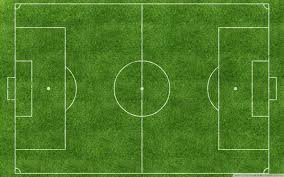
- 1. Footballers in whopping great studded boots walk over the pitch.
- 脚蹬帅气钉靴的足球运动员走进了球场。
- 2. Campaigning is reaching fever pitch for elections on November 6.
- 为11月6日选举进行的竞选活动逐渐达到白热化。
- 3. The ground staff do all they can to prepare the pitch.
- 运动场管理员全力整备球场。
- 4. The match is off because of a waterlogged pitch.
- 由于场地积水太多比赛被取消了。
- 5. Prue invited the magazine's editor to lunch and made her pitch.
- 普吕邀请该杂志的编辑共进午餐,推销自己的点子。
词语辨析
【fling, throw, cast, heave, toss, hurl, pitch】
这组词都有“抛、投、掷”的意思,其区别是:
fling: 指用力投掷,或因感情激动而粗暴地或漫无目的地扔东西。
throw: 普通用词,使用广泛,仅指用力抛掷,不涉及动作方式或感情色彩。
cast: 常可与throw互换,指迅速扔出一个重量较轻的物体。
heave: 指把重物举起后扔出。
toss: 指无什么目的地、轻轻地、随意地掷或扔,所扔掷的东西一般都比较轻。
hurl: 通常指用力投掷,动作迅猛,所投掷的距离也较远。
pitch: 指随意地、轻轻地掷或扔,侧重方向性和有明确的目标。
这组词都有“抛、投、掷”的意思,其区别是:
fling: 指用力投掷,或因感情激动而粗暴地或漫无目的地扔东西。
throw: 普通用词,使用广泛,仅指用力抛掷,不涉及动作方式或感情色彩。
cast: 常可与throw互换,指迅速扔出一个重量较轻的物体。
heave: 指把重物举起后扔出。
toss: 指无什么目的地、轻轻地、随意地掷或扔,所扔掷的东西一般都比较轻。
hurl: 通常指用力投掷,动作迅猛,所投掷的距离也较远。
pitch: 指随意地、轻轻地掷或扔,侧重方向性和有明确的目标。