记忆方法
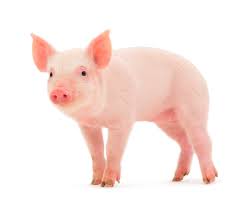
猪 pig 配狗、陪狗(猪总是与狗搭配,例如:猪狗不如)
看到不对的地方请告诉我们
词族 · pig
中文词源
pig 猪
来自中古英语pigge,猪,来自古英语*picga,猪,词源同picgbread,猪食。
英语词源
- pig
-
pig: [13] The word pig is not recorded until the Middle English period, although it is assumed to have existed in Old English as *picga or *pigga. It originally meant ‘young pig’, and did not become the general term for ‘pig’ until the 16th century (the usual word in Old and Middle English was swine). Piglet is a late 19th-century coinage. It is not known where the word pig came from, although some have suggested a connection with Old English pīc ‘pointed object’ (source of modern English pike), perhaps in allusion to the pig’s pointed muzzle (if that is the truth of the matter, pig may be parallel as an animal-name with pike).
- pig (n.)
- probably from Old English *picg, found in compounds, ultimate origin unknown. Originally "young pig" (the word for adults was swine). Apparently related to Low German bigge, Dutch big ("but the phonology is difficult" -- OED). The meaning "oblong piece of metal" is first attested 1580s, on the notion of "large mass." Applied to persons, usually in contempt, since 1540s; the derogatory slang meaning "police officer" has been in underworld slang since at least 1811.
The pigs frisked my panney, and nailed my screws; the officers searched my house, and seized my picklock keys. ["Dictionary of Buckish Slang, University Wit and Pickpocket Eloquence," London, 1811]
Another Old English word for "pig" was fearh, related to furh "furrow," from PIE *perk- "dig, furrow" (source also of Latin porc-us "pig," see pork). "This reflects a widespread IE tendency to name animals from typical attributes or activities" [Lass]. Synonyms grunter, porker are from sailors' and fishermen's euphemistic avoidance of uttering the word pig at sea, a superstition perhaps based on the fate of the Gadarene swine, who drowned. The image of a pig in a poke is attested from 1520s (see poke (n.3)). Flying pigs as a type of something unreal is from 1610s. - pig (v.)
- 1670s, "to huddle together," from pig (n.). Related: Pigged; pigging. To pig out "eat voraciously" attested by 1979.
权威例句
- 1. I'm afraid I made a pig of myself at dinner.
- 恐怕我晚餐时吃得太多了。
- 2. "A talking pig!" he exclaimed. "Well, I'll be darned."
- “一只会说话的猪!”他大声叫道,“哎呀,真是怪事。”
- 3. I am not sure whether this was courage or pig-headedness.
- 我不能肯定这是一种勇气,还是一种固执。
- 4. The pig rose squealing and bolted.
- 那头猪突然嗷嗷叫着狂奔起来。
- 5. Wild boar readily hybridises with the domestic pig.
- 野猪很容易和家猪杂交。