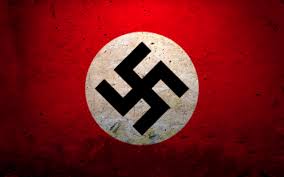
记忆方法
将“Nazi”与“Germany”和“Germany”在第二次世界大战期间纳粹政权的形象联系起来,形成一个直观的记忆点。可以这样记忆:“Nazi”就像德国历史上的一个不光彩的标签,象征着极端主义和种族主义。
机器生成的内容难免有错,看到不靠谱的拆解请告诉我们
词族 · Nazi
词形变化
中文词源
Nazi 纳粹党人
来自德语Nazi,缩写自Nationalsozialist.
英语词源
- Nazi
- 1930, noun and adjective, from German Nazi, abbreviation of German pronunciation of Nationalsozialist (based on earlier German sozi, popular abbreviation of "socialist"), from Nationalsozialistische Deutsche Arbeiterpartei "National Socialist German Workers' Party," led by Hitler from 1920.
The 24th edition of Etymologisches Wörterbuch der deutschen Sprache (2002) says the word Nazi was favored in southern Germany (supposedly from c. 1924) among opponents of National Socialism because the nickname Nazi, Naczi (from the masc. proper name Ignatz, German form of Ignatius) was used colloquially to mean "a foolish person, clumsy or awkward person." Ignatz was a popular name in Catholic Austria, and according to one source in World War I Nazi was a generic name in the German Empire for the soldiers of Austria-Hungary.
An older use of Nazi for national-sozial is attested in German from 1903, but EWdS does not think it contributed to the word as applied to Hitler and his followers. The NSDAP for a time attempted to adopt the Nazi designation as what the Germans call a "despite-word," but they gave this up, and the NSDAP is said to have generally avoided the term. Before 1930, party members had been called in English National Socialists, which dates from 1923. The use of Nazi Germany, Nazi regime, etc., was popularized by German exiles abroad. From them, it spread into other languages, and eventually was brought back to Germany, after the war. In the USSR, the terms national socialist and Nazi were said to have been forbidden after 1932, presumably to avoid any taint to the good word socialist. Soviet literature refers to fascists.
权威例句
- 1. Ownership is not clear because of expropriations in the Nazi era.
- 纳粹时期的征用致使所有权不明确。
- 2. a Nazi concentration camp
- 纳粹集中营
- 3. She avenged her mother's death upon the Nazi soldiers.
- 她惩处了纳粹士兵以报杀母之仇.
- 4. This is a novel depicting the bitter sufferings of the inmates in a Nazi concentration camp.
- 这是一本描写关押在纳粹集中营的人受苦受难的小说.
- 5. He was attacked as a racist , xenophobe , and neo nazi .
- 他被攻击是种族主义,排外,以及新纳粹。