记忆方法
1. 谐音“马的”----泥马的。-----泥。
2. muddy, muddle => mud.
2. muddy, muddle => mud.
看到不对的地方请告诉我们
词族 · mud
中文词源
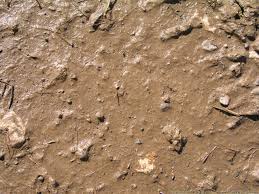
mud 淤泥,泥浆
来自Proto-Germanic*mud,淤泥,泥浆,来自PIE*smeu,meu,湿的,脏的,泥泞的。最终词源 可能同mucus,muggy.
英语词源
- mud
-
mud: [14] The Old English word for ‘mud’ was fen, which now survives only in the sense ‘swamp’. It was replaced in the Middle English period by mud, probably a borrowing from Middle Low German mudde. This goes back ultimately to a prehistoric base *meu-, *mu- that has produced a range of words in the Indo- European languages denoting ‘dirt’ or ‘wet’: Greek múdos ‘damp’, for instance, and Polish muł ‘slime’. Muddle [17] may come from Middle Dutch moddelen ‘make muddy’, a derivative of modde ‘mud’.
- mud (n.)
- mid-14c., cognate with and probably from Middle Low German mudde, Middle Dutch modde "thick mud," from Proto-Germanic *mud- from PIE *(s)meu-/*mu- [Buck], found in many words denoting "wet" or "dirty" (cognates: Greek mydos "damp, moisture," Old Irish muad "cloud," Polish muł "slime," Sanskrit mutra- "urine," Avestan muthra- "excrement, filth"); related to German Schmutz "dirt," which also is used for "mud" in roads, etc., to avoid dreck, which originally meant "excrement." Welsh mwd is from English. Replaced native fen.
Meaning "lowest or worst of anything" is from 1580s. As a word for "coffee," it is hobo slang from 1925; as a word for "opium" from 1922. To throw or hurl mud "make disgraceful accusations" is from 1762. To say (one's) name is mud and mean "(one) is discredited" is first recorded 1823, from mud in obsolete sense of "a stupid twaddling fellow" (1708). Mud in your eye as a toast recorded from 1912, American English. Mud puppy "salamander" is from 1889, American English; mud bath is from 1798; mud pie is from 1788.
权威例句
- 1. Dogs love splashing in mud and hippos wallow in it.
- 狗喜欢在泥水洼里扑腾,河马则喜欢在其中打滚撒欢儿。
- 2. I stumbled through mud to a yard strewn with straw.
- 我跌跌撞撞地趟过泥地来到一个堆满麦秆的场院。
- 3. They spent much of their time knee-deep in mud.
- 他们在齐膝深的泥地里费了好长时间。
- 4. The mud is a feeding ground for large numbers of birds.
- 大批鸟儿来这块泥地觅食。
- 5. The salt marshes and mud flats attract large numbers of waterfowl.
- 盐碱地和泥滩吸引了大量水鸟。
词语辨析
【clay, mud, dust, ground, land, earth, dirt, soil】
这组词都有“土地,土,泥”的意思,其区别是:
clay: 特指潮湿时发粘,而火烤后变坚硬的泥土。
mud: 指湿土,尤指雨后稀泥、污泥。
dust: 特指土壤干燥后,飞扬于空中的细微泥土。
ground: 通常指大地的表面,也可指土壤、泥土或场地。
land: 含义笼统。指与河流、海洋相对的陆地,也指可耕种的土地。
earth: 多指地表带有水分的泥土,较具体。
dirt: 指地表的干松泥土。
soil: 特指适宜栽种农作物或生长各种植物的泥土。
这组词都有“土地,土,泥”的意思,其区别是:
clay: 特指潮湿时发粘,而火烤后变坚硬的泥土。
mud: 指湿土,尤指雨后稀泥、污泥。
dust: 特指土壤干燥后,飞扬于空中的细微泥土。
ground: 通常指大地的表面,也可指土壤、泥土或场地。
land: 含义笼统。指与河流、海洋相对的陆地,也指可耕种的土地。
earth: 多指地表带有水分的泥土,较具体。
dirt: 指地表的干松泥土。
soil: 特指适宜栽种农作物或生长各种植物的泥土。