记忆方法
1. That which is manifest is etymologically 'grasped by the hand'.
2. infest => manifest.
2. infest => manifest.
看到不对的地方请告诉我们
词族 · manifest
中文词源
manifest 显现,展现
来自拉丁语manifestus,清晰的,明显的,抓个正着的,来自manus,手,词源同manual,-fest,击,打,抓住,词源同infest,offend.引申词义显现,展现。
英语词源
- manifest
-
manifest: [14] That which is manifest is etymologically ‘grasped by the hand’ – that is, ‘palpable, obvious’. The word comes via Old French from Latin manifestus. This was a later form of manufestus, a compound formed from manus ‘hand’ and *festus ‘gripped’. Manifesto [17] is a borrowing from Italian; it originally meant ‘evidence, proof’, and only gradually developed to the present-day ‘political statement’.
=> manifesto, manual - manifest (adj.)
- late 14c., "clearly revealed," from Old French manifest "evident, palpable," (12c.), or directly from Latin manifestus "plainly apprehensible, clear, apparent, evident;" of offenses, "proved by direct evidence;" of offenders, "caught in the act," probably from manus "hand" (see manual) + -festus "struck" (compare second element of infest).
Other nations have tried to check ... the fulfillment of our manifest destiny to overspread the Continent allotted by Providence for the free development of our yearly multiplying millions. [John O'Sullivan (1813-1895), "U.S. Magazine & Democratic Review," July 1845]
The phrase apparently is O'Sullivan's coinage; the notion is as old as the republic. - manifest (v.)
- late 14c., "to spread" (one's fame), "to show plainly," from manifest (adj.) or else from Latin manifestare "to discover, disclose, betray" (see manifest (adj.)). Meaning "to display by actions" is from 1560s; reflexive sense, of diseases, etc., "to reveal as in operation" is from 1808. Related: Manifested; manifesting.
- manifest (n.)
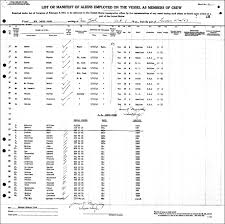
- "ship's cargo," 1706; see manifest (adj.). Earlier, "a public declaration" (c. 1600; compare manifesto), from French manifeste, verbal noun from manifester. Earlier still in English as "a manifestation" (1560s).
权威例句
- 1. Their frustration and anger will manifest itself in crying and screaming.
- 他们用哭泣与尖叫表达自己的沮丧和愤怒。
- 2. Some of her social aspirations were made manifest.
- 她流露出了对社会的些许期望。
- 3. The same alarm is manifest everywhere.
- 到处弥漫着同样的恐慌。
- 4. It was their manifest failure to modernize the country's industries.
- 他们使国家进行工业现代化,明显失败了.
- 5. He doesn't manifest much interest in his his studies.
- 他表现出对学业没多大兴趣.
词语辨析
【manifest, indicate, illustrate】
manifest: 表明、透露、清楚表示(show plainly),显露(性质、感情) [反身用法]显示,出现(reveal)
indicate: 显示,
illustrate: 图例说明
【demonstrate, manifest, display, show, exhibit】
这组词都有“显示、显露、展现”的意思,其区别是:
demonstrate: 指明显地表露感情。也指用实例、实验推理等手段表演证明,或论证某一问题。
manifest: 书面正式用词,指明确地表明。
display: 多指将某物陈列在显眼之处以便让发现其优点,侧重有意识地显示。
show: 最普通用词,泛指任何有意或无意地把东西给别人看的行为。
exhibit: 指公开或正式地展示,以便引人注目或让人检查。
【clear, obvious, evident, apparent, manifest, definite, plain, distinct】
这组词都有“清楚的,明白的,明显的”的意思,其区别是:
clear: 普通用词,侧重清楚明白。
obvious: 语气较强,指极为明显,有目共睹,无需说明和论证。
evident: 指根据事实成为显然的。
apparent: 强调显而易见或一想便知。这个词从动词appear派生而来,故有时含有表面如此而事实上未必的意味。
manifest: 语义较强,书面用词,强调一目了然,暗示不要任何推论就一清二楚。
definite: 语气肯定,着重明白无误,无可怀疑。
plain: 普通用词,含义与clear很接近,可通用,但plain着重简单明了,不复杂。
distinct: 较正式用词,指轮廓的清楚或定义、含义的明确,不会弄错。