记忆方法
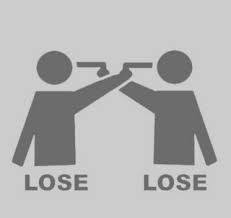
将“lose”记忆为“ loos-e”,想象一双手(loo)松开(-se),象征着丢失或失去某物。这种方法通过形象化记忆来帮助记住单词的意思。
机器生成的内容难免有错,看到不靠谱的拆解请告诉我们
词族 · lose
派生词
中文词源
lose 丢失,遗失
来自古英语los,失去,毁灭,来自PIE*leu,砍,切开,分开,解开,松开,词源同analyse,loose,-less.可能进一步来自PIE*skel,砍,切,词源同scale,scalper.拼写演变比较locus,ring.
英语词源
- lose
-
lose: [OE] The verb lose originated as a derivative of the Old English noun los ‘loss’, which went back ultimately to the same Indo-European source (*lau-, *leu-, lu-) as produced English loose and the suffix -less. In Old English it was losian, which eventually ousted the original lēosan to become the only verb for ‘lose’. The noun los died out before the Middle English period, and was replaced by loss [14], probably a derivative of the past participle lost. The past participle of lēosan ‘lose’ was loren, which survives in forlorn and love-lorn.
=> loose - lose (v.)
- Old English losian "be lost, perish," from los "destruction, loss," from Proto-Germanic *lausa- (cognates: Old Norse los "the breaking up of an army;" Old English forleosan "to lose, destroy," Old Frisian forliasa, Old Saxon farliosan, Middle Dutch verliesen, Old High German firliosan, German verlieren), from PIE root *leu- "to loosen, divide, cut apart, untie, separate" (cognates: Sanskrit lunati "cuts, cuts off," lavitram "sickle;" Greek lyein "to loosen, untie, slacken," lysus "a loosening;" Latin luere "to loose, release, atone for, expiate").
Replaced related leosan (a class II strong verb whose past participle loren survives in forlorn and lovelorn), from Proto-Germanic *leusanan (cognates: Old High German virliosan, German verlieren, Old Frisian urliasa, Gothic fraliusan "to lose").
Transitive sense of "to part with accidentally" is from c. 1200. Meaning "fail to maintain" is from mid-15c. Meaning "to be defeated" (in a game, etc.) is from 1530s. Meaning "to cause (someone) to lose his way" is from 1640s. To lose (one's) mind "become insane" is attested from c. 1500. To lose out "fail" is 1858, American English. Related: Lost; losing.
权威例句
- 1. Some battles you win, some battles you lose.
- 胜败乃兵家常事。
- 2. He appealed to his countrymen not to lose heart.
- 他呼吁自己的同胞不要丧失信心。
- 3. Torn muscles retract, and lose strength, structure, and tightness.
- 撕裂的肌肉会收缩,丧失原来的力量、结构和紧实度。
- 4. Having children was the quickest way to lose your street cred.
- 生孩子是使自己不再年轻时尚的最快方法。
- 5. I can lose a few pounds without resorting to daft diets.
- 我不用疯狂地节食也能减轻几磅。
词语辨析
【misplace, lose, miss】
这组词都有“丢失,遗失”的意思,其区别是:
misplace: 指反映东西放错或故意放错地方。
lose: 最普通用词,侧重遗失了,难以找回来。
miss: 着重发觉某人或某物不见的瞬间,也可作思念解。
这组词都有“丢失,遗失”的意思,其区别是:
misplace: 指反映东西放错或故意放错地方。
lose: 最普通用词,侧重遗失了,难以找回来。
miss: 着重发觉某人或某物不见的瞬间,也可作思念解。