记忆方法
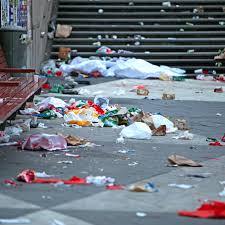
将“litter”与“little”区分开来,并联想为“散落的杂物”,如孩子在地板上散落的玩具,形成一个图像:一个小空间里充满了散落的杂乱物品,从而帮助记忆“litter”表示杂乱堆积的意思。
机器生成的内容难免有错,看到不靠谱的拆解请告诉我们
词族 · litter
中文词源
litter 轿,担架,杂物,垃圾,一窝幼崽
来自拉丁语lectus,床,沙发,来自PIE*legh,躺,词源同lie.其原义为床,折叠床,担架,轿子,后来指铺床的草垫,草,猫窝,一窝猫崽,现在用于词义杂草,杂物,垃圾。拼写比较latte,lettuce.
英语词源
- litter
-
litter: [13] The word litter has come a long way semantically since it was born, from ‘bed’ to ‘rubbish scattered untidily’. It goes back ultimately to Latin lectus ‘bed’, a distant relative of English lie and source of French lit ‘bed’ (which forms the final syllable of English coverlet [13], etymologically ‘bed-cover’). From lectus was derived medieval Latin lectāria, which passed into English via Old French litiere and Anglo-Norman litere ‘bed’.
This original sense was soon extended in English to a ‘portable conveyance or stretcher’, which still survives, just, as an archaism, but the word’s main modern sense, which first emerged fully in the 18th century, derives from the notion of scattering straw over the floor for bedding.
=> coverlet - litter (n.)
- c. 1300, "a bed," also "bed-like vehicle carried on men's shoulders" (early 14c.), from Anglo-French litere "portable bed," Old French litiere "litter, stretcher, bier; straw, bedding," from Medieval Latin lectaria "litter" (altered in French by influence of lit "bed"), from Latin lectus "bed, couch," from PIE *legh-to-, from root *legh- "to lie" (see lie (v.2)).
Meaning extended early 15c. to "straw used for bedding" (early 14c. in Anglo-French) and late 15c. to "offspring of an animal at one birth" (in one bed); sense of "scattered oddments, disorderly debris" is first attested 1730, probably from Middle English verb literen "provide with bedding" (late 14c.), with notion of strewing straw. Litter by 19c. had come to mean both the straw bedding and the animal waste in it after use. - litter (v.)
- late 14c., "provide with bedding," from litter (n.). Meaning "to strew with objects" is from 1713. Transitive sense of "to scatter in a disorderly way" is from 1731. Related: Littered; littering.
权威例句
- 1. On Wednesday we cleared a beach and woodland of litter.
- 星期三我们清理了一块海滨林地的垃圾。
- 2. Animals reject the runt of the litter.
- 动物会丢弃最弱小的幼仔。
- 3. Wear rubber gloves when handling cat litter.
- 清理猫粪时要带上橡胶手套。
- 4. There will be fines for people who drop litter .
- 乱扔垃圾的人将被罚款。
- 5. a litter of puppies
- 一窝小狗
词语辨析
【waste, debris, rubbish, litter, garbage, junk】
这组词都有“废物,垃圾”的意思,其区别是:
waste: 普通用词,概念广泛,指任何被丢弃的东西。
debris: 着重指分解、分裂或破坏后剩下的碎片,也指零散的普通废品。
rubbish: 普通用词,指任何成堆的、破损的、用过的或无用的东西,尤指弃掉的垃圾堆。也可作引申用。
litter: 是四下乱丢物品的总称,尤指散落于地,有碍观瞻的废物。
garbage: 主要指有机废料,包括厨房的剩菜剩饭或不能再用的食物。也可作引申用。
junk: 指回收的旧汽车或大型机器,也指毫无实用价值,或破烂物体,但不指垃圾。
这组词都有“废物,垃圾”的意思,其区别是:
waste: 普通用词,概念广泛,指任何被丢弃的东西。
debris: 着重指分解、分裂或破坏后剩下的碎片,也指零散的普通废品。
rubbish: 普通用词,指任何成堆的、破损的、用过的或无用的东西,尤指弃掉的垃圾堆。也可作引申用。
litter: 是四下乱丢物品的总称,尤指散落于地,有碍观瞻的废物。
garbage: 主要指有机废料,包括厨房的剩菜剩饭或不能再用的食物。也可作引申用。
junk: 指回收的旧汽车或大型机器,也指毫无实用价值,或破烂物体,但不指垃圾。