记忆方法
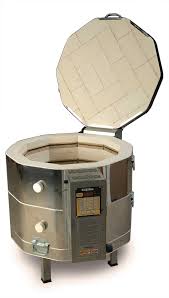
记忆“kiln”的方法是将它拆分成两个部分:“kil”和“n”。想象一个巨大的锅(kil)被放在那里(n),用来加热或烧制东西。这个场景可以帮助你记住“kiln”是一种用于烧制或干燥材料(如陶瓷或木材)的炉子或窑。
机器生成的内容难免有错,看到不靠谱的拆解请告诉我们
词族 · kiln
词形变化
中文词源
kiln 窑
来自古英语cyln,炉子,窑,来自拉丁语culina,锅,炉子,来自coquere,烧,煮,词源同cook,cuisine,dyspeptic.拼写比较nail,rule.
英语词源
- kiln
-
kiln: [OE] Etymologically a kiln is for ‘cooking’, not for burning or drying. Its distant ancestor was Latin coquīna ‘kitchen’, a derivative of the verb coquere ‘cook’. This produced an unexplained variant culīna (source of English culinary [17]), which was used not only for ‘kitchen’, but also for ‘cooking-stove’. Old English adopted it as cylene, which has become modern English kiln.
=> cook, culinary, kitchen - kiln (n.)
- Old English cyln, cylen "kiln, oven," from Latin culina "kitchen, cooking stove," unexplained variant of coquere "to cook" (see cook (n.)). Old Norse kylna, Welsh cilin probably are from English.
权威例句
- 1. That morning we fired our first kiln of charcoal.
- 那天上午,我们烧了我们的第一窑木炭.
- 2. Bricks are baked in a kiln.
- 砖是在窑里烧成的.
- 3. Bricks are fired in a kiln.
- 砖是在窑中烧制的.
- 4. The kiln had been in use for some time and was not in good condition.
- 该窑使用过一段时间,情况并不好.
- 5. Porcelain from a government kiln is usually more costly.
- 官窑出产的瓷器都比较贵.