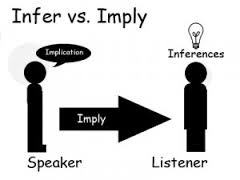
记忆方法
将“imply”拆分为“im”和“ply”,想象“im”代表“隐秘”的“im”意,而“ply”联想到“play”,想象在隐秘中玩弄文字游戏,即不直接表达但间接暗示,从而帮助记忆“imply”表示“暗示”的意思。
机器生成的内容难免有错,看到不靠谱的拆解请告诉我们
词族 · imply
中文词源
imply 暗示,暗指
im-,进入,使,-ply,编织,卷入,词源同apply,implicate.
英语词源
- imply
-
imply: see employ
- imply (v.)
- late 14c., "to enfold, enwrap, entangle" (the classical Latin sense), from Old French emplier, from Latin implicare "involve" (see implication). Meaning "to involve something unstated as a logical consequence" first recorded c. 1400; that of "to hint at" from 1580s. Related: Implied; implying. The distinction between imply and infer is in "What do you imply by that remark?" But, "What am I to infer from that remark?"
权威例句
- 1. Cheerfulness doesn't always imply happiness.
- 快活并不总是意味着幸福.
- 2. What did she imply in her words?
- 她的话意味着什么?
- 3. What do you imply by that statement?
- 你那句话有什么含意?
- 4. Tremain's novel is altogether jauntier, more various and energetic than these quotations imply.
- 与这些引文给人的印象相比,特里曼的小说总的来说更加充满自信、富于变化,也更有活力。
- 5. Their failure to reply to our letter seems to imply a lack of interest.
- 他们没有回我们的信似乎暗示他们缺乏兴趣.
词语辨析
【denote, indicate, imply, mean, suggest, signify, represent】
这组词都有“表示……的意思”的意思,其区别是:
denote: 指某一词字面或狭义的意思,或指某些符号或迹象的特指含义。
indicate: 指明显的表示。
imply: 侧重用文字或符号表示的联想,暗示。
mean: 最普通用词。指文字或符号等所表示的各种明确的或含蓄的意义。
suggest: 通常指暗含地、隐晦地表达意思。
signify: 指用文字、说话或表情等表示单纯的意思。
represent: 指体现或代表。
【imply, hint, suggest】
这组词都有“暗示”的意思,其区别是:
imply: 侧重指话语、行为或情景中的一种暗示,听者或读者必须加以逻辑推断才能领会。
hint: 指通过时间接而有提示性的话语或表情来暗示某事。
suggest: 指有意或无意的,直接或间接暗示,强调事物的表征等使人引起联想。
【infer, imply】
infer: v. (根据已知事实)推断,推理。
• I infer from your smile that you are happy. 从你的笑容可以看出你很高兴。
imply: v. (从言语或态度中)暗示,暗指(某种事情)。
• The Secretary of the Treasury implied that interest rates would go down. 财政大臣暗示利率将下降。