记忆方法
将“idle”与“i”和“d”两个字母联系,想象它们是一个“-idle”的状态,就像“i”是我在家(idling at home),而“d”暗示着悠闲地等待(doing nothing),这样就能记住“idle”意味着无所事事或闲置。
机器生成的内容难免有错,看到不靠谱的拆解请告诉我们
词族 · idle
中文词源
idle 懒散的
词源不详。
英语词源
- idle
-
idle: [OE] ‘Lazy’ is only a secondary meaning of idle. It originally meant ‘useless, worthless’ (as in ‘idle threats’), and the sense ‘lazy’ did not develop until the 13th century (the Old English words for ‘lazy’ were slow and slack). Idle is shared by other West Germanic languages, and its relatives (German eitel ‘vain, futile’ and Dutch ijdel ‘vain, useless, conceited’) point up its original English meaning, but it is not known what its ultimate origins are.
- idle (adj.)
- Old English idel "empty, void; vain; worthless, useless; not employed," common West Germanic (cognates: Old Saxon idal, Old Frisian idel "empty, worthless," Old Dutch idil, Old High German ital, German eitel "vain, useless, mere, pure"), of unknown origin. Idle threats preserves original sense; meaning "lazy" is c. 1300.
- idle (v.)
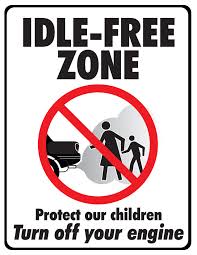
- late 15c., "make vain or worthless," from idle (adj.). Meaning "spend or waste (time)" is from 1650s. Meaning "cause to be idle" is from 1789. Sense of "running slowly and steadily without transmitting power" (as a motor) first recorded 1916. Related: Idled; idling.
权威例句
- 1. Brian kept up the idle chatter for another five minutes.
- 布赖恩又絮絮地唠叨了5分钟。
- 2. It was more of an idle threat than anything.
- 那其实是唬人的话。
- 3. It would be idle to pretend the system is perfect.
- 假装系统完美无疵是徒劳的。
- 4. His statement isn't merely an idle boast.
- 他的话不仅仅是虚张声势的自夸。
- 5. Now the machine is lying idle.
- 如今机器闲置着。
词语辨析
【idle, lazy】
这组词都有“闲散,懒惰”的意思,其区别是:
idle: 通常指不忙,无事可干,一般不含应责备之意。
lazy: 指好逸恶劳,贪闲偷懒,或不愿学习或工作等,常含应受责备之意。
这组词都有“闲散,懒惰”的意思,其区别是:
idle: 通常指不忙,无事可干,一般不含应责备之意。
lazy: 指好逸恶劳,贪闲偷懒,或不愿学习或工作等,常含应受责备之意。