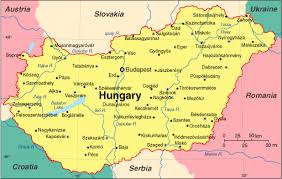
记忆方法
记忆“Hungary”可以通过“Hung”联想到“ Hungary is hung with something”,即“匈牙利挂(挂有)...”,这样的图像可以帮助记住这个国家的名字。例如,想象“匈牙利挂有美丽的风景或者美食”,以此形象化地记忆这个单词。
机器生成的内容难免有错,看到不靠谱的拆解请告诉我们
词族 · Hungary
词形变化
中文词源
Hungary 匈牙利
来自拉丁语Hungaria,来自可能Huns,匈奴,即匈奴人建立的国家。
英语词源
- Hungary
- c. 1300, from Medieval Latin Hungaria (also source of French Hongrie), probably literally meaning "land of the Huns," who ruled a vast territory from there under Attila in 5c. The people's name for themselves we transliterate as Magyar. Middle English uses the same words for both Attila's people and the Magyars, who appeared in Europe in 9c. From the same source as Medieval Greek Oungroi, German Ungarn, Russian Vengriya, Ukrainian Ugorshchina. The Turkish name for the country, Macaristan, reflects the indigenous name. Related: Hungarian.
权威例句
- 1. Their ultimate aim was a market economy for Hungary.
- 他们最终的目标是为匈牙利建立起市场经济体制。
- 2. He is widely regarded as Hungary's most skilful politician.
- 他是公认的匈牙利最有手腕的政治家。
- 3. That would not be a good advertisement for Hungary's emerging democracy.
- 那并不能有效地体现匈牙利新兴的民主意识。
- 4. Hungary's opening of the border was a turning point for the refugees.
- 匈牙利开放边境对难民来说是个转机。
- 5. Hungary may have to lower its hopes of shrinking its state sector.
- 匈牙利可能不得不降低其缩小国家军事管制区的期望。