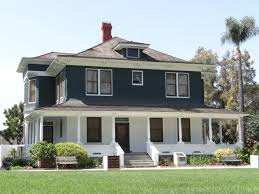
记忆方法
将“house”与“hose”结合记忆,想象一个“hose”(水龙带)套在了“house”(房子)的头上,形成了一个有趣的形象,帮助记忆house这个词。
机器生成的内容难免有错,看到不靠谱的拆解请告诉我们
词族 · house
中文词源
house 房屋,屋子
来自古英语hus,居住地,庇护所,屋子,来自PIE*skeu,遮盖,隐藏,词源同hose,hide.引申词义房屋,屋子。
英语词源
- house
-
house: [OE] The ultimate origins of house are uncertain. The furthest it can be positively traced into the past is to a prehistoric Germanic *khūsam, which also produced German haus, Dutch huus (probably a close relative of English husk), and Swedish hus (descendant of Old Norse hús, which provided the hus- of English husband). Beyond that, all is speculation: some have argued, for instance, that *khūsam came from an Indo-European *keudh- ‘cover, hide’, source also of English hide, hoard, and hut.
=> husband, husk, husting - house (n.)
- Old English hus "dwelling, shelter, house," from Proto-Germanic *husan (cognates: Old Norse, Old Frisian hus, Dutch huis, German Haus), of unknown origin, perhaps connected to the root of hide (v.) [OED]. In Gothic only in gudhus "temple," literally "god-house;" the usual word for "house" in Gothic being razn.
Meaning "family, including ancestors and descendants, especially if noble" is from c. 1000. The legislative sense (1540s) is transferred from the building in which the body meets. Meaning "audience in a theater" is from 1660s (transferred from the theater itself, playhouse); as a dance club DJ music style, probably from the Warehouse, a Chicago nightclub where the style is said to have originated. Zodiac sense is first attested late 14c. To play house is from 1871; as suggestive of "have sex, shack up," 1968. House arrest first attested 1936. On the house "free" is from 1889.And the Prophet Isaiah the sonne of Amos came to him, and saide vnto him, Thus saith the Lord, Set thine house in order: for thou shalt die, and not liue. [2 Kings xx:1, version of 1611]
- house (v.)
- "give shelter to," Old English husian "to take into a house" (cognate with German hausen, Dutch huizen); see house (n.). Related: Housed; housing.
权威例句
- 1. "Detached" collocates with "house".
- detached与house搭配使用。
- 2. " Home " is a much more emotive word than " house ".
- home (家)是远比 house (住屋)更能激起感情的字眼.
- 3. The house seemed muted, hushed as if it had been deserted.
- 房子里似乎悄然无声,安静得好像已经没人在住一样。
- 4. Harry inherited the house and a sizeable chunk of land.
- 哈里继承了这座房子以及相当大的一片土地。
- 5. On Sunday Cohen lay around the house all day.
- 科恩星期天一整天都在家无所事事。
词语辨析
【home, building, residence, shelter, dwelling, habitation, house】
这组词都有“居住处”的意思,其区别是:
home: 指永久住家时,带有家庭所特有的温暖、情感等气息。
building: 泛指一切建筑物,不限于居住的房子。
residence: 指大而堂皇的寓所或公馆,也指法律上的居住点。
shelter: 可指长期或临时的住处,也指简陋或临时搭建的躲避风雨的场所。
dwelling: 正式用词,仅指人们居住的任何建筑物。
habitation: 指长久或固定的住所或居住地。
house: 中性词,泛指一切供居住的建筑物,尤指适合一家一户居住的房屋。
【home, dwelling, shelter, household, family, house, lodging】
home: 家,带有感情色彩
dwelling: 住所,公寓
shelter: 庇护处(收容所,庇护所)
household: 抽象的家庭,并含有家事,家务之意
family: 家庭,指组成家庭的成员
house: 房屋,住宅
lodging: 寄宿处