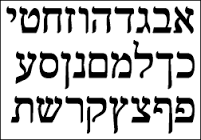
记忆方法
将“Hebrew”记忆为“希伯来语”。想象“希伯来”(Hebrew)是一种古老的文字,它来自一个叫做“希伯来”的群体,这样就能够将单词与其来源和文化背景联系起来,有助于记忆。
机器生成的内容难免有错,看到不靠谱的拆解请告诉我们
词族 · Hebrew
词形变化
中文词源
Hebrew 希伯来人
来自希腊语Hebraios,来自希伯来语’ibhri,以色列人。
英语词源
- Hebrew (adj.)
- late Old English, from Old French Ebreu, from Latin Hebraeus, from Greek Hebraios, from Aramaic 'ebhrai, corresponding to Hebrew 'ibhri "an Israelite," literally "one from the other side," in reference to the River Euphrates, or perhaps simply signifying "immigrant;" from 'ebher "region on the other or opposite side." The noun is c. 1200, "the Hebrew language;" late 14c. of persons, originally "a biblical Jew, Israelite."
权威例句
- 1. He sits puzzling over ancient Hebrew texts.
- 他坐在那里对着古老的希伯来文本大伤脑筋。
- 2. He is a fluent speaker of Hebrew.
- 他说一口流利的希伯来语。
- 3. The story has points of resemblance to a Hebrew myth.
- 这个故事与某个希伯来神话有相似之处.
- 4. The blessing was said in Hebrew.
- 祷告用了希伯来语.
- 5. It's Hebrew to me.
- 我一点也不懂.