记忆方法
将“harbour”分解为“har”和“bour”,联想为“湖岸”(har+ bour)。想象一个湖的岸边,有一个小港湾(harbour),这样可以帮助记忆“harbour”表示港口或避难所的含义。
机器生成的内容难免有错,看到不靠谱的拆解请告诉我们
词族 · harbour
中文词源
harbour 港口
har-, 军队,队伍,词源同 here,harry,-bour, 保护,庇护所,词源同 bury. 引申词义船只庇护地,避难所,后用于指港口。harbour 是英式拼写形式,harbor 是美式拼写形式。
英语词源
- harbour
-
harbour: [OE] Etymologically, a harbour is a ‘shelter for a crowd of people’. English acquired it in the late Anglo-Saxon period as herebeorg, perhaps borrowed from Old Norse herbergi, but it began life as a compound of prehistoric Germanic *kharjaz, originally ‘crowd’, later specifically ‘army’ (source also of English harry and related to harness) and *berg- ‘protect’ (which occurs in a range of English words, including barrow ‘mound’, borough, borrow, and bury).
The original sense ‘shelter for a crowd or army’ had broadened out by historic times to the more general ‘shelter, lodging’. That is what Old English herebeorg meant, and gradually it underwent further semantic development, via ‘place in which shelter can be obtained’, to (as recently as the 16th century) ‘place of shelter for ships, port’.
=> barrow, borough, borrow, bury, harbinger, harness, harry, herald - harbour
- chiefly British English spelling of harbor (n. and v.); for spelling, see -or. In this case it is considered to be without etymological justification and probably by analogy of labour.
权威例句
- 1. Sewage nutrients do increase algal growth in the harbour.
- 污水中的营养物确实会加快港口的海藻生长。
- 2. I waved goodbye and went down the stone harbour steps.
- 我挥手告别,然后走下港口石阶。
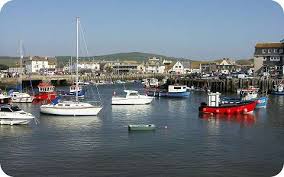
- 3. The gigantic natural harbour of Poole is a haven for boats.
- 巨型天然港普尔港是船只的避风港。
- 4. The fishing boat harbour was usually bustling with lots of local colour.
- 该渔港通常都是一派热闹繁忙的景象,很有地方色彩。
- 5. Green and yellow lights blinked on the surface of the harbour.
- 海港的水面上闪烁着绿色和黄色的灯光。
词语辨析
【port, seaport, harbour, pier, wharf】
这组词都有“港,港口,码头”的意思,其区别是:
port: 多指人工港口,还可指有港口的市。
seaport: 指港埠。
harbour: 一般用词,指停泊船只、装卸货物的天然或人工港口。
pier: 专指与海岸成直角形而突出的码头,可供旅客,货物上下船或供人散步用。
wharf: 指船只停泊装卸货物的码头。
【shelter, guard, harbour, safeguard, defend, shield, protect】
这组词都有“保护、保卫”的意思,其区别是:
shelter: 通常指寻找安全地方躲避风雨或使人免遭危害。
guard: 普通用词,指保持警惕以防可能的攻击或伤害。
harbour: 贬义词,指隐匿或非法保护、窝藏。
safeguard: 语气强,指采取积极措施预防可能发生的一切攻击或危险。
defend: 普通用词,指用武力或其它措施使人或物不受损害,消除危险。用作比喻时,指坚持某种行动、决定或意见。
shield: 语气比protect强,但侧重防止迫在眉睫的攻击或伤害。
protect: 普通用词,指用某种手段作为防御工具以防危险或伤害。