记忆方法
为了记忆单词“handle”,可以将其分解为“han-dle”,想象手(hand)在把持或操作某物,如“handle”就是用手来处理或控制某物。通过这个动作的图景来帮助记忆单词的含义。
机器生成的内容难免有错,看到不靠谱的拆解请告诉我们
词族 · handle
中文词源
handle 控制,操纵
来自hand,手,-le,工具格后缀。引申词义操纵,比较manipulate.
英语词源
- handle
-
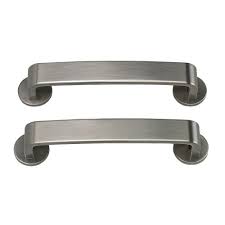
handle: [OE] Etymologically, a handle is nothing more or less than ‘something to be held in the hand’. Likewise the verb handle, together with Germanic relatives like German handeln and Swedish handla, began life as ‘hold, touch, feel with the hands’ (the German and Swedish verbs have since lost this original literal meaning, and now have only the metaphorical senses ‘deal with’, ‘trade’, etc).
=> hand - handle (n.)
- Old English handle "a handle" (plural handla), formed from hand (n.) with instrumental suffix -el (1) indicating a tool in the way thimble was formed from thumb, spindle from spin, treadle from tread, etc. The slang sense of "nickname" is first recorded 1870, originally U.S., from earlier expressions about adding a handle to (one's) name (1833), that is, a title such as Mister or Sir. To fly off the handle (1833) is a figurative reference to an ax head (to be off the handle "be excited" is recorded from 1825, American English). To get a handle on "get control of" is recorded by 1919.
- handle (v.)
- Middle English hondlen, handlen, "touch with the hands, hold in the hands, fondle, pet," also "to deal with, treat, manhandle," from Old English handlian "to touch or move with the hands," also "deal with, discuss;" formed from hand (n.), perhaps with a frequentative suffix, as fondle from fond. Cognate with Old Norse höndla "to seize, capture," Danish handle "to trade, deal," Old High German hantalon "feel, touch; manage," German handeln "to bargain, trade." Related: Handled; handling. Meaning "to act towards" (someone, in a certain manner, usually with hostility or roughness) is from c. 1200. The commercial sense "to trade or deal in" was weaker in English than in some other Germanic languages, but it strengthened in American English (by 1888) from the notion of something passing through one's hands, and see handler.
权威例句
- 1. The public never had faith in his ability to handle the job.
- 公众从来不相信他有能力胜任这一职位。
- 2. Our plan is to allocate one member of staff to handle appoint-ments.
- 我们的计划是分派一位职员处理预约事宜。
- 3. Don't take on more responsibilities than you can handle.
- 不要承担过多的责任。
- 4. He began informally to handle Ted's tax affairs for him.
- 他开始非正式地为特德打理税务。
- 5. Some preteens are able to handle a good deal of responsibility.
- 有些青春期前的儿童能够承担很多责任。
词语辨析
【deal with, cope with, dispose of, manage, handle】
这些动词或短语动词都含有“处理”,“对付”之意。
deal with: 既可指处理具体事情,也可指处理或解决具有抽象意义的问题。
cope with: 指成功地处理或对付更为重大,更为严重的问题或事物。
dispose of: 与deal with同义,普通用法。
manage: 指处理日常事务与工作,也可指经营管理。
handle: 从原义“手柄”,转引申为作“处理”解时,其内涵是管理和操纵。
这些动词或短语动词都含有“处理”,“对付”之意。
deal with: 既可指处理具体事情,也可指处理或解决具有抽象意义的问题。
cope with: 指成功地处理或对付更为重大,更为严重的问题或事物。
dispose of: 与deal with同义,普通用法。
manage: 指处理日常事务与工作,也可指经营管理。
handle: 从原义“手柄”,转引申为作“处理”解时,其内涵是管理和操纵。