记忆方法
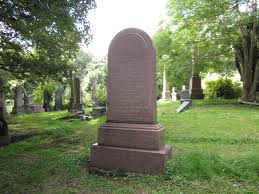
将“grave”与“gray”结合记忆,想象一个“gray”色的墓碑(grave),这样可以帮助记住单词“grave”指的是坟墓或严重的。
机器生成的内容难免有错,看到不靠谱的拆解请告诉我们
词族 · grave
中文词源
grave 坟墓
来自PIE*ghrebh, 刮,挖,词源同carve, graph. 后该词主要指坟墓。
grave 重音符来自PIE*gwere, 重,词源同barometer, guru, gravity. 用于音乐术语。
英语词源
- grave
-
grave: Modern English has essentially two words grave. Grave ‘burial place’ goes back ultimately to prehistoric Indo-European *ghrebh- ‘dig’, which also produced Latvian grebt ‘hollow out’ and Old Church Slavonic pogreti ‘bury’. Its Germanic descendant had variants *grōb- (source of groove), *grub- (whence grub), and *grab-.
This last formed the basis of *graban, from which have come the verbs for ‘dig’ in most Germanic languages, including German graben, Dutch graven, Swedish gräva, and Danish grave. The English member of the family, grave, is now virtually obsolete as a verb (although its derivative engrave [16] survives); but its nominal relative grave, also formed from *grab-, is still very much with us. Grave ‘serious’ [16] comes via Old French grave from Latin gravis ‘heavy, important’, source also of English gravity and grief.
Its application to a backward-leaning accent (as in è) comes from the original use of such an accent-mark to indicate low or deep intonation.
=> engrave, groove, grub; gravity, grief - grave (n.)
- "excavation in earth for reception of a dead body," Old English græf "grave; ditch, trench; cave," from Proto-Germanic *graban (cognates: Old Saxon graf, Old Frisian gref, Old High German grab "grave, tomb;" Old Norse gröf "cave," Gothic graba "ditch"), from PIE root *ghrebh- (2) "to dig, to scratch, to scrape" (source also of Old Church Slavonic grobu "grave, tomb"); related to Old English grafan "to dig" (see grave (v.)).
"The normal mod. representation of OE. græf would be graff; the ME. disyllable grave, from which the standard mod. form descends, was prob. due to the especially frequent occurrence of the word in the dat. (locative) case. [OED]
From Middle Ages to 17c., they were temporary, crudely marked repositories from which the bones were removed to ossuaries after some years and the grave used for a fresh burial. "Perpetual graves" became common from c. 1650. Grave-side (n.) is from 1744. Grave-robber attested from 1757. To make (someone) turn in his grave "behave in some way that would have offended the dead person" is first recorded 1888. - grave (adj.)
- 1540s, "influential, respected; marked by weighty dignity," from Middle French grave (Old French greve "terrible, dreadful," 14c.), from Latin gravis, "heavy, ponderous, burdensome, loaded; pregnant;" of matters, "weighty, important;" of sounds, "deep, low, bass;" figuratively "oppressive, hard to bear, troublesome, grievous," from PIE root *gwere- (2) "heavy" (cognates: Sanskrit guruh "heavy, weighty, venerable;" Greek baros "weight," barys "heavy in weight," often with the notion of "strength, force;" Old English cweorn "quern;" Gothic kaurus "heavy;" Lettish gruts "heavy"). In English, the sense "solemn, sober" is from 1580s; of immaterial things, "important, serious" 1590s. Greek barys (opposed to kouphos) also was used figuratively, of suffering, sorrow, sobbing, and could mean "oppressive, burdensome, grave, dignified, impressive." The noun meaning "accent mark over a vowel" is c. 1600, from French.
- grave (v.)
- "to engrave," Old English grafan "to dig, dig up; engrave, carve, chisel" (medial -f- pronounced as "v" in Old English; past tense grof, past participle grafen), from Proto-Germanic *grabanan (c
权威例句
- 1. Universities are facing grave problems because of diminishing resources.
- 由于资源的减少,大学正面临严峻的问题。
- 2. Two men were standing by the freshly dug grave.
- 两名男子站在新挖的坟墓边。
- 3. He did die a pauper and is buried in an unmarked grave.
- 他死的时候一文不名,葬在一处无名墓穴中。
- 4. I have grave doubts that the documents tell the whole story.
- 我对这些文件能否说明所有的问题深表怀疑。
- 5. She tore the rose apart and scattered the petals over the grave.
- 她掰开玫瑰花,将花瓣撒在坟墓上。
词语辨析
【solemn, sober, earnest, grave, severe, serious】
这组词都有“严肃的”的意思,其区别是:
solemn: 指人表情或场景气氛严肃,侧重威严名印象深刻。
sober: 侧重因控制或抑制自己的感情而表现出的庄重。
earnest: 指严肃,认真,含诚恳和热情意味。
grave: 侧重严肃和尊严,需要认真思考,含令人担忧意味。
severe: 指面孔的严肃,法律的严厉,伤病的严重。着重严厉性,无丝毫温情。
serious: 指具有关键、严肃或严重意义的事情。
【tomb, grave, vault】
这组词都有“坟墓,墓穴”的意思,其区别是:
tomb: 语气比grave庄重,指有建筑工程的坟墓,可在地上,也可在地下。
grave: 一般的土墓,指埋葬尸体的场所。
vault: 指地下存放尸体或棺材的地方,也指用混凝土预制的墓穴。