记忆方法
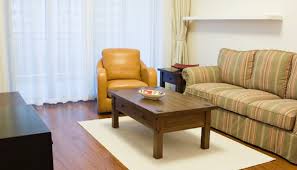
1. furniture => furnish.
看到不对的地方请告诉我们
词族 · furnish
中文词源
furnish 供应,提供
来自PIE*pro, 向前,准备,词源同forth, from, frame. 引申词义供应,提供。
英语词源
- furnish
-
furnish: [15] Far apart as they may now seem, furnish is closely parallel in its development with frame. Both originated as verbs based on from, in its earliest signification ‘forward movement, advancement, progress’. Frame was a purely English formation, but furnish goes back beyond that to prehistoric Germanic, where it was formed as *frumjan. This was borrowed into Vulgar Latin as *fromīre, which in due course diversified to *formīre and *fornīre, the form adopted into Old French as furnir.
Its lengthened stem furniss- provided English with furnish. To begin with this retained the ancestral sense ‘advance to completion, accomplish, fulfil’ (‘Behight [promise] no thing but that ye may furnish and hold it’, Melusine 1500). However, this died out in the mid 16th century, leaving the field clear for the semantic extension ‘provide’. The derivative furniture [16] comes from French fourniture, but its main meaning, ‘chairs, tables, etc’, recorded from as early as the 1570s, is a purely English development (the majority of European languages get their word for ‘furniture’ from Latin mōbīle ‘movable’: French meubles, Italian mobili, Spanish muebles, German möbel, Swedish möbler, Dutch meubelen, Russian mebel’ – indeed, even Middle English had mobles, though it retained the broader meaning ‘movable property’).
By another route, Old French furnir has also given English veneer.
=> from, furniture, veneer - furnish (v.)
- mid-15c., "fit out, equip, to provision" (a castle, ship, person); "provide (soldiers)," from Old French furniss-/forniss-, present participle stem of furnir/fornir "accomplish, carry out; equip, fit out; provide" (12c.), from Vulgar Latin *fornire, alteration of *fromire, from West Germanic *frumjan "forward movement, advancement" (source also of Old High German frumjan "to do, execute, provide"), from Proto-Germanic *fram- "forwards" (see from). General meaning "to provide" (something) is from 1520s; specifically "provide furniture for a room or house" from 1640s. Related: Furnished; furnishing.
权威例句
- 1. Can you furnish the committee with statements of the costs?
- 你能把开支清单提交委员会 吗 ?
- 2. We propose to furnish our own house according to our own taste.
- 我们建议按自己的爱好布置自己的房子.
- 3. His proposal shall furnish the basis for our discussion.
- 他的提议成为我们讨论的依据.
- 4. Can you see me knowing how to furnish a house?
- 你能想象我懂得怎样布置一所房子 吗 ?
- 5. I will furnish all you need.
- 我愿供给你所需要的一切.
词语辨析
【equip, furnish, present, provide, volunteer, propose, supply, offer, afford】
equip: 侧重提供与技术有关的装备或设备等
furnish: 多指添置家具等供给生活的必需品或为生活舒适提供所需的服务设施
present: 既可指提出意见建议等,又可指拿出某物供人欣赏或赠送
provide: 与supply近义,但强调人的深谋远虑,侧重用贮备等方法作充分准备
volunteer: 侧重出于自愿,而不是奉命做某事
propose: 指直接而主动地提出问题或建议等,也指在讨论或争辩中提出具体意见或建议
supply: 普通用词,指提供任何所需求的东西
offer: 多指主动提出或提供意见或东西等,但是否接受由对方自行决定
afford: 一般只用于对抽象事物提供,也可指经济能力上的供给或支付
【furnish, accommodate, afford】
这组词都有“提供”的意思,其区别是:
furnish: v.指提供生活或某种用途所需要的东西。
• Reading furnishes the mind only with materials of knowledge, it is thinking that makes what we read ours. 阅读虽然为我们的思想提供了各种知识,然而只有思考才能将我们读到的内容变成自己的东西。
accommodate: v.提供住宿、房间;适应,迎合,迁就。
• This hotel can accommodate up to 500 guests. 这家饭店可供500位来宾住宿。
• The company accommodated the customer's wish and sent the delivery overnight. 公司满足了顾客的愿望,连夜将货物发了出去。
afford: v.负担,支付;当“提供”讲时,多用于指抽象事物的提供。
• We can't afford that expensive sports car. 我们买不起那辆昂贵的跑车。
• The tall building affords a beautiful view of the ocean. 从这幢高楼上可以看到大海的美丽景致。