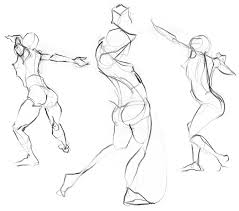
记忆方法
1. fig- + -ure.
2. => visible form or appearance of a person.
3. => shape, body, form, figure; symbol, allegory.
4. => "represent" (in a picture), "to picture in the mind", "to shape into", "to make an appearance".
另:手指(finger)数数字(figure)
看到不对的地方请告诉我们
词族 · figure
中文词源
figure 数字,雕像,身段
来自PIE*dheigh, 揉捏,捏造,形成,词源同dough, fiction. 由揉捏引申多种词义。
英语词源
- figure
-
figure: [13] Figure comes via Old French from Latin figūra ‘form, shape, figure’, a derivative of the same base (*fig-) as produced fingere ‘make, shape’ (whence English effigy, faint, feign, and fiction). Many of the technical Latin uses of the word, including ‘geometric figure’, are direct translations of Greek skhéma, which also meant literally ‘form, shape’, but the sense ‘numerical symbol’ is a later development. Also from the base *fig- was derived Latin figmentum ‘something created or invented’, from which English gets figment [15].
=> effigy, faint, feign, fiction, figment - figure (v.)
- late 14c., "to represent" (in painting or sculpture), "make a likeness," also "to have a certain shape or appearance," from Old French figurer, from Latin figurare (see figure (n.)). Meaning "to shape into" is c. 1400; from mid-15c. as "to cover or adorn with figures." Meaning "to picture in the mind" is from c. 1600. Intransitive meaning "make an appearance, make a figure, show oneself" is from c. 1600. Meaning "work out a sum" (by means of arithmetical figures) is from 1833, American English; hence colloquial sense "to calculate upon, expect" (1837). Related: Figured; figuring.
- figure (n.)
- c. 1200, "numeral;" mid-13c., "visible appearance of a person;" late 14c., "visible and tangible form of anything," from Old French figure "shape, body; form of a word; figure of speech; symbol, allegory" (10c), from Latin figura "a shape, form, figure; quality, kind, style; figure of speech," in Late Latin "a sketch, drawing," from PIE *dheigh- "to form, build" (see dough).
Philosophical and scientific senses are from use of Latin figura to translate Greek skhema. Meaning "lines forming a shape" is from mid-14c. From mid-14c. as "human body as represented by art;" late 15c. as "a body, the human form as a whole." The rhetorical use of figure, "peculiar use of words giving meaning different from usual," dates to late 14c.; hence figure of speech (by 1704). Figure-skating is from 1835. Figure eight as a shape was originally figure of eight (c. 1600). From late 14c. as "a cut or diagram inserted in text."
权威例句
- 1. They had almost reached the boat when a figure shot past them.
- 他们差不多快到船边时,一个人影从他们旁边飞奔而过。
- 2. Alistair saw the dim figure of Rose in the chair.
- 阿利斯泰尔看见了坐在椅子里的罗丝的模糊身影。
- 3. I don't have to be a detective to figure that out.
- 我不是侦探也想得出。
- 4. This figure has long been held to possess miraculous power.
- 这个数字长时间以来都被认为拥有神奇的力量。
- 5. She retains her slim figure and is free of wrinkles.
- 她保持着苗条的身材,脸上也没有皱纹。
词语辨析
【figure, pattern, design】
这组词都有“装饰图案”的意思,其区别是:
figure: 指呈现于整个表面的简单的几何图形或小型图案。
pattern: 一般指简单的重复图案,或整个装饰的格调或事物的布局,也指由一些相连图形拼成的较大图案。
design: 专指线条、轮廓、图案。强调设计的完美或有秩序。
【figure, form, shape, outline】
这组词都有“形式”的意思,其区别是:
figure: 指轮廓、外形,尤指体态,相貌或身体。
form: 最普通用词,含义广,既可指客观物体的外形,又可用于抽象概念的“形”。
shape: 通常指由线和面所围成的外观上的形,侧重立体形状。
outline: 指任何形状的轮廓线。
【figure, number】
figure: 指“数字”,着重数字符号
number: 泛指“数”;