记忆方法
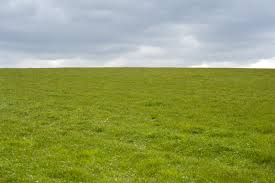
field..........肥沃的..........田地
看到不对的地方请告诉我们
词族 · field
中文词源
field 田野,领域
来自PIE*pele, 平的,展开,词源同plan, plat. 引申词义田野,领域等。
英语词源
- field
-
field: [OE] Like plain, field seems originally to have meant ‘area of flat, open land’. It comes ultimately from the Indo-European base *plth-, which also produced Greek platús ‘broad’, English place and plaice, and possibly also English flan and flat. A noun derived from it, *peltus, entered prehistoric West Germanic as *felthuz, which subsequently disseminated as German feld, Dutch veld (English acquired veld or veldt [19] via its Afrikaans offshoot), and English field.
=> flan, flat, place, plaice, veld - field (n.)
- Old English feld "plain, pasture, open land, cultivated land" (as opposed to woodland), also "a parcel of land marked off and used for pasture or tillage," probably related to Old English folde "earth, land," from Proto-Germanic *felthuz "flat land" (Cognates: Old Saxon and Old Frisian feld "field," Old Saxon folda "earth," Middle Dutch velt, Dutch veld Old High German felt, German Feld "field," but not found originally outside West Germanic; Swedish fält, Danish felt are borrowed from German; Finnish pelto "field" is believed to have been adapted from Proto-Germanic). This is from PIE *pel(e)-tu-, from root *pele- (2) "flat, to spread" (see plane (n.1)). The English spelling with -ie- probably is the work of Anglo-French scribes (compare brief, piece).
As "battle-ground," c. 1300. Meaning "sphere or range of any related things" is from mid-14c. Physics sense is from 1845. Collective use for "all engaged in a sport" (or, in horse-racing, all but the favorite) is 1742; play the field "avoid commitment" (1936) is from notion of gamblers betting on other horses than the favorite. Cricket and baseball sense of "ground on which the game is played" is from 1875. Sense of "tract of ground where something is obtained or extracted" is from 1859. As an adjective in Old English combinations, often with a sense of "rural, rustic" (feldcirice "country-church," feldlic "rural"). Of slaves, "assigned to work in the fields" (1817, in field-hand), opposed to house. A field-trial originally was of hunting dogs. - field (v.)
- "to go out to fight," 16c., from field (n.) in the specific sense of "battlefield" (Old English). The sports meaning "to stop and return the ball" is first recorded 1823, originally in cricket; figurative sense of this is from 1902. Related: Fielded; fielding.
权威例句
- 1. He was the fastest thing I ever saw on a baseball field.
- 他是我在棒球场上见过的跑得最快的家伙。
- 2. Pinch-hitter Francisco Cabrera lashed a single to left field.
- 替补队员弗朗西斯科·卡布雷拉向左外场猛地击出一个一垒打。
- 3. He was on the training field for some light work yesterday.
- 昨天他在训练场进行了一些强度较小的训练。
- 4. Expertly he zigzagged his way across the field, avoiding the deeper gullies.
- 他熟练地左一拐右一拐地绕过深沟,穿过了原野。
- 5. We never defeated them on the field of battle.
- 我们从未在战场上打败过他们。
词语辨析
【field, territory, province, domain, sphere】
这组词都有“范围,领域”的意思,其区别是:
field: 主要指经选定在一段时间内作专题研究的方面或领域,含夸张意味。
territory: 指科学知识、活动等的领域或范围。
province: 即可指科学、艺术、学问的领域或范围,又可指个人或机关职权的管辖范围。
domain: 指知识艺术、兴趣或人类活动的领域。
sphere: 指有明显分界线的范围或领域,强调彼此不会干扰、跨越,各不相关。
这组词都有“范围,领域”的意思,其区别是:
field: 主要指经选定在一段时间内作专题研究的方面或领域,含夸张意味。
territory: 指科学知识、活动等的领域或范围。
province: 即可指科学、艺术、学问的领域或范围,又可指个人或机关职权的管辖范围。
domain: 指知识艺术、兴趣或人类活动的领域。
sphere: 指有明显分界线的范围或领域,强调彼此不会干扰、跨越,各不相关。