记忆方法
1. fingere (form root fig-) => Old French variant form feindre (pp. feint) "pretend, imitate, feign".
2. => feint: pretend, imitate, feign.
3. feint => faint (元音音变) "show weakness to avoid one's duty by pretending".
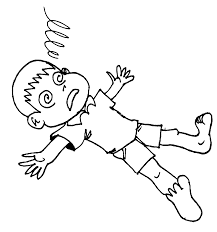
4. 该词的本意是假装虚弱、脆弱来逃避责任、逃避各种事情,后来的词义演变却因假变真,变成了真正的“虚弱、脆弱,微弱,懦弱”,甚至是“昏厥,昏倒”。
5. 谐音“昏(方言化拼音: fen)特、昏倒”。
6. 区分:faint, feint: pain => faint => 因为太痛了,以至于痛昏过去了。
2. => feint: pretend, imitate, feign.
3. feint => faint (元音音变) "show weakness to avoid one's duty by pretending".
4. 该词的本意是假装虚弱、脆弱来逃避责任、逃避各种事情,后来的词义演变却因假变真,变成了真正的“虚弱、脆弱,微弱,懦弱”,甚至是“昏厥,昏倒”。
5. 谐音“昏(方言化拼音: fen)特、昏倒”。
6. 区分:faint, feint: pain => faint => 因为太痛了,以至于痛昏过去了。
看到不对的地方请告诉我们
词族 · faint
中文词源
faint 微弱的,虚弱的
来自古法语feint, 来自feign, 假装,虚构,欺骗。引申词义底气不足的,微弱的,虚弱的。
英语词源
- faint
-
faint: [13] Faint comes from Old French faint, which was originally the past participle of the verb faindre, feindre ‘pretend, shirk’ (whence English feign). This meant ‘pretended, simulated’, ‘lazy, shirking’, and ‘cowardly’, and all these senses were originally taken over by English. None now survives except the last, in the phrase faint heart, but in their place the underlying notion of ‘feebleness’ has produced ‘not bright, dim’ and ‘weak and dizzy’. The verb, based on the second of these, developed in the late 14th century. The variant spelling feint, used of printed lines, was introduced in the mid 19th century.
=> feign - faint (adj.)
- c. 1300, "enfeebled; wearied, exhausted," from Old French faint, feint "false, deceitful; sham, artificial; weak, faint, lazy, indolent, cowardly," past participle of feindre "hesitate, falter, be indolent, show weakness, avoid one's duty by pretending" (see feign). Also from c. 1300 as "deceitful; unreliable; false." Meaning "wanting in spirit or courage, cowardly" (a sense now mostly encountered in faint-hearted) is from early 14c. From early 15c. of actions, functions, colors, etc., "weak, feeble, poor." Meaning "producing a feeble impression upon the senses" is from 1650s.
- faint (v.)
- c. 1300, "grow weak, become enfeebled," also "lack courage or spirit, be faint-hearted," and "to pretend, feign;" from faint (adj.). Sense of "swoon, lose consciousness" is from c. 1400. Also used in Middle English of the fading of colors, flowers, etc. Related: Fainted; fainting. For Chaucer and Shakespeare, also a transitive verb ("It faints me").
- faint (n.)
- c. 1300, "faintness, faint-heartedness," from faint (adj.). From 1808 as "a swoon."
权威例句
- 1. It's a film about a serial killer and not for the faint-hearted.
- 这部电影是讲一个连环杀手的,不适合胆小的人看。
- 2. Their instruments detected very faint radiowaves at a frequency of 3 kilohertz.
- 他们的仪器检测到一个3千赫的微弱无线电波。
- 3. Don't be faint-hearted when things seem a bit slow or boring.
- 事情变得有点沉闷无聊的时候,不要胆怯。
- 4. A faint smile crossed the Monsignor's face and faded quickly.
- 一丝敷衍的微笑从那位大人脸上掠过,很快就消失了。
- 5. A faint smile of reminiscence appeared on her face..
- 一丝怀旧的微笑浮现在她的脸上。
词语辨析
【faint, fragile, weak, feeble】
faint: a.虚弱的,眩晕的,指人在特定场合感觉到的虚弱,通常不是天生体质上的虚弱而是由于某种原因造成的暂时的情况。
• The summer sun was so strong that she felt faint. 夏天的阳光太强烈了,她感觉到眩晕。
fragile: a.脆弱的,易碎的,指物体容易打碎,或人体质虚弱、容易受伤害。
• That dish is fragile, so be careful. 那个盘子容易碎,所以千万小心。
weak: a.这组词中应用范围最广的一个,既可以指身体虚弱的,无力的,也可引申为在力量、权力、技能、影响等方面有欠缺或软弱。
• The patient is losing blood and becoming weak. 病人在失血,身体开始虚弱下去。
feeble: a.虚弱的,无力的,常用来形容人的声音或行为。
• The elderly lady has become feeble and unable to care herself. 这个老太太已经很虚弱了,无法照顾她自己。
【faint, dim, indefinite, vague, obscure, ambiguous】
这组词都有“不明确的,模糊的”的意思,其区别是:
faint: 指对某事物印象不深,或指声音微弱或希望的渺茫等。
dim: 侧重指或因光线暗淡,或因年代久远、身体欠佳等因素而产生视觉或察觉方面的困难。
indefinite: 指无明确定义或限定,重点或总体轮廓不明确。
vague: 多指因语言不确切,太笼统或因构思含糊、不完善而造成模糊难解。
obscure: 语气最强,指晦涩难懂。
ambiguous: 指文章或讲话中,意思可能有多种理解,令人捉摸不定。