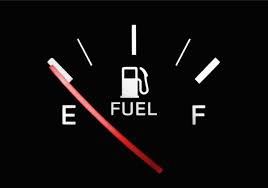
记忆方法
为了记住“empty”这个单词,可以将它的含义与“empty”这个词根“empt”联系起来,这个“empt”有“空的”之意。想象一个容器或空间“empt”空无所有,没有任何东西在里面,这样就能记住“empty”的意思是“空的”或“无内容的”。
机器生成的内容难免有错,看到不靠谱的拆解请告诉我们
词族 · empty
中文词源
empty 空的
来自古英语emty, 休闲,空闲。e, 没有,词源同out, ordeal(其词源同deal out), -mt, 必须,词源同must. 插入字母p缓和读音。原义为非必须的,有空的,词义由时间引申为空间。
英语词源
- empty
-
empty: [OE] The original meaning of Old English ǣmtig appears to have been ‘unoccupied, at leisure’, and it was only secondarily that it developed the physical connotations of ‘not full’ which have come down to us in empty. (It also meant ‘unmarried’.) It was a derivative of the noun ǣmetta ‘rest, leisure’. This is a word of uncertain history, but it has been plausibly analysed as the negative prefix ǣ- plus a derivative of the root which produced modern English mete (as in ‘mete out’), meaning something like ‘not assigned’.
=> mete - empty (adj.)
- c. 1200, from Old English æmettig "at leisure, not occupied; unmarried," also "containing nothing, unoccupied," from æmetta "leisure," from æ "not" + -metta, from motan "to have" (see might (n.)). The -p- is a euphonic insertion.
Sense evolution from "at leisure" to "containing nothing, unoccupied" is paralleled in several languages, such as Modern Greek adeios "empty," originally "freedom from fear," from deios "fear." "The adj. adeios must have been applied first to persons who enjoyed freedom from duties, leisure, and so were unoccupied, whence it was extended to objects that were unoccupied" [Buck]. Related: Emptier. Figurative sense of empty-nester attested by 1960. - empty (n.)
- "an empty thing" that was or is expected to be full, 1865, from empty (adj.). At first of barges, freight cars, mail pouches.
- empty (v.)
- 1520s, from empty (adj.); replacing Middle English empten, from Old English geæmtigian. Related: Emptied; emptying.
权威例句
- 1. Empty the contents of the pan into the sieve.
- 将锅里的东西倒到筛子上。
- 2. She showed him around the ground floor of the empty house.
- 她带他参观了这处空房子的底楼。
- 3. She went to the sink and ran water into her empty glass.
- 她走到水槽边,把空玻璃杯灌上水。
- 4. His voice sounded oddly resonant in the empty room.
- 他的声音在这空荡荡的房间里听起来异常嘹亮。
- 5. Her parting words left him feeling empty and alone.
- 她分手时说的话让他感觉空虚孤独。
词语辨析
【open, blank, vacant, hollow, empty】
这组词都有“空的”的意思,其区别是:
open: 指未被占有,从而可被别人得到的。
blank: 指上面没有写字、印刷或做记号的空白表面,或指上面留着准备被填写的空白处。
vacant: 普通用词,侧重某物或某个位置没有被占用。
hollow: 指物体中间是空的。
empty: 指空无一人或一物,或空洞无意义的。
【free, vacant, empty】
free: 空的,指清除了或缺少了某物,与of 或from连用。如:She is free from anxiety.(她无忧无虑。)She is free of him.(她摆脱了他。)
vacant: 空闲的,指地方没有被占用。如:One day, man can make full use of vacant space.(将来,人们会充分利用浩瀚的天空。)empty,vacant和相同的名词连用时,含义不同。如an empty house指房子里既无家具也无人,空荡荡的。而a vacant house指房子没有被人占用,里面可有家具,也可无家具。
empty: 空的,指里面什么东西都没有。如:The case is empty.(这是个空箱子。)