记忆方法
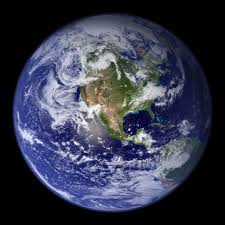
记忆单词“earth”可以采用“象形记忆法”:想象地球的形状——一个圆球,然后记住这个词与地球相关,它表示我们居住的星球。关联记忆点可以是:“earth”和“地球”形状相似,圆滚滚的,代表我们的家园。
机器生成的内容难免有错,看到不靠谱的拆解请告诉我们
词族 · earth
中文词源
earth 地球,土地
来自PIE*er, 土地,地面,词源同ore.
英语词源
- earth
-
earth: [OE] Earth comes ultimately from an Indo- European base *er-. This produced the prehistoric Germanic noun *erthō, ancestor of German erde, Dutch aarde (whence, via early Afrikaans, English aardvark [19], literally ‘earth-pig’), Swedish and Danish jord, and English earth. Related forms outside Germanic include Greek eraze ‘on the ground’ and Welsh erw ‘field’. The word’s basic range of modern senses, ‘ground’, ‘world’, and ‘soil’, all date back to the Old English period.
=> aardvark - earth (n.)
- Old English eorþe "ground, soil, dirt, dry land; country, district," also used (along with middangeard) for "the (material) world, the abode of man" (as opposed to the heavens or the underworld), from Proto-Germanic *ertho (cognates: Old Frisian erthe "earth," Old Saxon ertha, Old Norse jörð, Middle Dutch eerde, Dutch aarde, Old High German erda, German Erde, Gothic airþa), from extended form of PIE root *er- (2) "earth, ground" (cognates: Middle Irish -ert "earth"). The earth considered as a planet was so called from c. 1400. Use in old chemistry is from 1728. Earth-mover "large digging machine" is from 1940.
- earth (v.)
- "to commit (a corpse) to earth," late 14c., from earth (n.). Related: Earthed; earthing.
权威例句
- 1. I was shocked, brought down to earth by this revelation.
- 真相的披露让我深感震惊,我被带回了现实。
- 2. They would move heaven and earth to stop me if they could.
- 可能的话,他们会千方百计地阻止我。
- 3. Weather satellites have observed a ring of volcanic ash girdling the earth.
- 气象卫星观测到一个环绕地球的火山灰带。
- 4. The space shuttle Atlantis returned safely to earth today.
- “亚特兰蒂斯”号航天飞机今天安全返回地球。
- 5. The earth shook and the walls of neighbouring houses fell around them.
- 地面摇晃,周围房屋的墙体在他们身边倒塌。
词语辨析
【earth, globe, world】
这组词都有“地球”的意思,其区别是:
earth: 指表面有陆地和水,人类所居住行星的名字。有时与“天”相对,泛指“地”。
globe: 指我们生活的地球,但强调其实体和圆形。
world: 通常相当于earth与globe,现多用指地球,地球上的世界,社会和人。
【clay, mud, dust, ground, land, earth, dirt, soil】
这组词都有“土地,土,泥”的意思,其区别是:
clay: 特指潮湿时发粘,而火烤后变坚硬的泥土。
mud: 指湿土,尤指雨后稀泥、污泥。
dust: 特指土壤干燥后,飞扬于空中的细微泥土。
ground: 通常指大地的表面,也可指土壤、泥土或场地。
land: 含义笼统。指与河流、海洋相对的陆地,也指可耕种的土地。
earth: 多指地表带有水分的泥土,较具体。
dirt: 指地表的干松泥土。
soil: 特指适宜栽种农作物或生长各种植物的泥土。