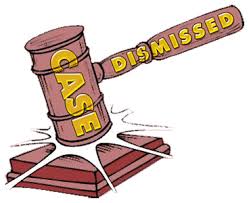
记忆方法
将“dismiss”分解为“dis”和“miss”。记住“dis”意味着“分开”或“移除”,“miss”则是“错过”。想象一个场景,当人们“miss”了某个重要事件或机会,于是你就“dis”掉了对这个事件或机会的关注或兴趣,因此“dismiss”表示“驳回”、“解散”或“不予考虑”。
机器生成的内容难免有错,看到不靠谱的拆解请告诉我们
词族 · dismiss
中文词源
dismiss 摒弃
dis-, 分开,散开。miss,送出。即送走,引申词义摈弃。
英语词源
- dismiss
-
dismiss: [15] Ultimately, dismiss and demise [16] are the same word: both come from Old French desmis or demis ‘sent away’. These in turn came from dismissus, the medieval descendant of Latin dīmissus, which was the past participle of dīmittere, a compound verb formed from dis- ‘away’ and mittere ‘send’. In the case of dismiss, English originally acquired the word, more logically, in the form dismit, based on the Latin infinitive, but in the late 15th century dismiss, in the past participial form dismissed modelled on the French past participle, began to replace it. Demise comes from Anglo-Norman *demise, which represents a nominal use of the feminine form of Old French demis.
It was originally a technical legal term signifying the transference of property or title, and only in the 18th century came to be used for the ‘death’ which often brought this about.
=> commit, demise, mission, transmit - dismiss (v.)
- early 15c., from Latin dimissus, past participle of dimittere "send away, send different ways; break up, discharge; renounce, abandon," from dis- "apart, away" (see dis-) + mittere "send, let go" (see mission). Prefix altered by analogy with many dis- verbs. Dismit, in the same sense, is attested from late 14c. Related: Dismissed; dismissing.
权威例句
- 1. The Prime Minister has the power to dismiss and appoint senior ministers.
- 首相有权任免高级部长。
- 2. I would certainly dismiss any allegations of impropriety by the Labour Party.
- 对于工党指责我行为不正当,我当然不会理会。
- 3. They were quick to dismiss rumours of an off-screen romance.
- 他们迅速否认了两人在现实生活中是情侣关系的传言。
- 4. I wouldn't dismiss it out of hand.
- 我不会不假思索地摈弃它。
- 5. I think we can safely dismiss their objections.
- 我认为我们对他们的异议完全可以不予理会。
词语辨析
【discharge, fire, dismiss】
这组词都有“解雇,开除”的意思,其区别是:
discharge: 语气较重,指有理由的解雇,含几乎不再复用的意味。
fire: 口语用词,多指被断然地突然解雇,其行动犹如开枪一样干净利落。
dismiss: 正式用词,是这组词中语气最轻的一个词,一般只有从上文才能看解雇的原因或理由。
【preclude, discard, abandon, eliminate, abolish, dismiss】
preclude: 排除
discard: 丢弃,抛弃(可指人也可指物)
abandon: 放弃(某物)
eliminate: 消除,淘汰
abolish: (依法)废除
dismiss: 解雇
【remove, expel, eliminate, dismiss】
这组词都有“开除,驱出,去掉”的意思,其区别是:
remove: 普通用词,不带任何感情色彩。
expel: 多指强行解除公职或驱出住地。
eliminate: 通常指例行的、有步骤地去掉某物或某人。
dismiss: 既可指突然地迅速地排除,也可指解雇或开除。