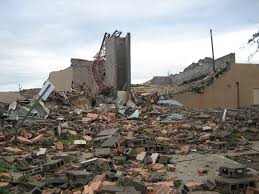
记忆方法
记忆“damage”可以使用视觉联想法:想象一个破碎的“da”设备和后缀“mage”,整体形象就像一个破碎的机器,由此联想到“damage”意为“损坏”。
机器生成的内容难免有错,看到不靠谱的拆解请告诉我们
词族 · damage
中文词源
damage 损坏
来自拉丁语damnum, 损失,伤害,词源同damn.
英语词源
- damage
-
damage: [14] Damage comes from Latin damnum ‘loss, damage’ (source of English damn). It passed into Old French as dam, from which was formed the derivative damage. English borrowed and has preserved the Old French form, but in modern French it has become dommage. Besides damn, another English relative is indemnity [15], ultimately from Latin indemnis ‘undamaged’.
=> damn, indemnity - damage (n.)
- late 13c., from Old French damage (12c., Modern French dommage) "loss caused by injury," from dam "damage," from Latin damnum "loss, hurt, damage" (see damn).
- damage (v.)
- early 14c., from Old French damagier, from damage (see damage (n.)). Related: Damaged; damaging.
权威例句
- 1. It's a fair guess to say that the damage will be extensive.
- 说损失会很严重想必猜得不错。
- 2. The blast caused extensive damage, shattering the ground-floor windows.
- 爆炸造成了巨大的破坏,震碎了一楼的窗户。
- 3. The radiation can damage microprocessors and computer memories, causing them to malfunction.
- 辐射会损坏微处理器和电脑内存,使之失灵。
- 4. These gases would seriously damage the patient's respiratory system.
- 这些毒气会严重损害患者的呼吸系统。
- 5. Incidents of this type cause irreparable damage to relations with the community.
- 这类事件会对与该社群的关系造成不可弥合的伤害。
词语辨析
【damages, damage】
damages: 复数形式, 赔偿金 $900 damages
damage: 不可数名词, 损害,损失;
【destroy, break, wreck, ruin, spoil, damage】
这组词都有“破坏,损坏”的意思,其区别是:
destroy: 多指彻底地、毁灭性地破坏,含导致无用,不能或很难再修复的意味。
break: 普通用词,指某物因被打破或撕破而受到破坏,可指有形或无形的破坏。
wreck: 侧重指船只、车辆、房屋等受到严重破坏或完全毁坏,也可指计划、健康受到损害。
ruin: 多指因外部原因而受到严重破坏或毁灭,侧重破坏的彻底性,也可用于引申意义。
spoil: 强调不仅会削弱力量、精力或价值,而且会导致不可避免的毁灭。
damage: 多指对无生命物体的损害,造成降低价值、破坏功能等后果。
【destroy, harm, ruin, damage】
这组词都有“破坏”的意思,其区别是:
destroy: 指十分彻底的毁坏,破坏。如:The whole city was destroyed in the earthquake.( 地震中整个城市被毁了。)
harm: 多指带来悲痛,产生恶果的伤害,可以是肉体的也可是精神的。如:Doctors say smoking harms our health.(医生说吸烟对身体有害。)
ruin: 为正式用词,强调由于自然力或时间的作用而逐渐损坏,用于比喻时也指彻底毁坏名声,期望等。如:She poured water all over my painting and ruined it. (她把水倒在画上,把它毁了。)另外,ruin的复数形式ruins表“废墟”。
damage: 一般指部分性的破坏,含可修复使用。
【harm, hurt, damage, disable, injure, wound】
这组词都有“损害,伤害”的意思,其区别是:
harm: 主要用于有生命的东西,语气略强于injure,指引起严重的痛苦和损伤;有时也用于抽象事物,指造成任何不良后果。
hurt: 普通用词,较口语化,侧重指给有生命的东西造成机体上或精神、感情上的或轻或重的伤害。
damage: 通常指对无生命物体的损害,并有降低其价值,破坏其功能等的后果。
disable: 强调使伤残。
injure: 较hurt正式,多用于有生命的事物。既可指伤害别人的事物。即可指伤害别人的健康、外貌、自尊心、名誉等,又可指使别人受伤或东西受损,同时含有受伤害部分至少暂时丧失功能的意味。
wound: 专指对身体的重伤,尤指在战斗中受的伤,强调外部创伤;也可指精神方面的伤害。