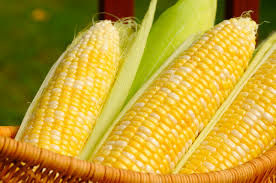
记忆方法
将“corn”与“corna”(角)结合记忆,想象一个农民在田野里挥舞着玉米的“角”,这样可以帮助记住“corn”是指玉米这一概念。
机器生成的内容难免有错,看到不靠谱的拆解请告诉我们
词族 · corn
派生词
中文词源
corn 谷物
词源同grain, 谷物。
英语词源
- corn
-
corn: [OE] The underlying sense of corn is of grinding down into small particles. The word comes ultimately from the Indo-European base *ger-, which meant ‘wear away’. From it was derived *grnóm ‘worn-down particle’, which in Latin produced grānum (source of English grain) and in prehistoric Germanic produced *kurnam, which developed into Old English corn.
Already in Germanic times the word had developed in meaning from simply ‘particle’ to ‘small seed’ and specifically ‘cereal grain’, but English corn was not of course applied to ‘maize’ before that plant came to Europe from America in the 16th century. The original sense ‘particle’ survives in corned beef, where corned refers to the grains of salt with which the meat is preserved.
The meaning ‘hackneyed or sentimental matter’ is a 20th-century development, based on the supposedly unsophisticated life of country areas. Kernel comes from an Old English diminutive form of corn. Corn ‘hardening of the skin’ [15] is a completely different word, coming via Anglo- Norman corn from Latin cornū ‘horn’.
=> grain; horn - corn (n.1)
- "grain," Old English corn, from Proto-Germanic *kurnam "small seed" (cognates: Old Frisian and Old Saxon korn "grain," Middle Dutch coren, German Korn, Old Norse korn, Gothic kaurn), from PIE root *gre-no- "grain" (cognates: Old Church Slavonic zruno "grain," Latin granum "seed," Lithuanian žirnis "pea"). The sense of the Old English word was "grain with the seed still in" (as in barleycorn) rather than a particular plant.
Locally understood to denote the leading crop of a district. Restricted to the indigenous "maize" in America (c. 1600, originally Indian corn, but the adjective was dropped), usually wheat in England, oats in Scotland and Ireland, while Korn means "rye" in parts of Germany. Maize was introduced to China by 1550, it thrived where rice did not grow well and was a significant factor in the 18th century population boom there. Cornflakes first recorded 1907. Corned beef so called for the "corns" or grains of salt with which it is preserved; from verb corn "to salt" (1560s). - corn (n.2)
- "hardening of skin," early 15c., from Old French corne (13c.) "horn (of an animal)," later, "corn on the foot," from Latin cornu "horn," from PIE *ker- (1) "horn; head, uppermost part of the body" (see horn (n.)).
权威例句
- 1. They are offering farmers $2.15 a bushel for corn.
- 他们向农民出价每蒲式耳2.15美元收购玉米。
- 2. The scheme offers seed corn finance with loans at only 4% interest.
- 该方案提供种子基金融资,其贷款只收取4%的利息。
- 3. Here's a way of barbecuing corn-on-the-cob that I learned in the States.
- 这是我在美国学的一种烤玉米的方法。
- 4. The ancient civilizations of Central and Latin America were founded upon corn.
- 古代中美洲和拉丁美洲的文明社会是建立在玉米之上的。
- 5. In the state of Iowa, it's been a bumper year for corn.
- 艾奥瓦州今年玉米大丰收。
词语辨析
【grain, crop, corn】
这组词都有“谷物”的意思,其区别是:
grain: 指稻、麦等谷类及其粒子。
crop: 指谷物或果类等一年或一季的收成,也可指地里的农业作物或谷物。
corn: 主要指大麦、小麦、燕麦、裸麦、玉蜀黍这5种谷物及其粒子。
这组词都有“谷物”的意思,其区别是:
grain: 指稻、麦等谷类及其粒子。
crop: 指谷物或果类等一年或一季的收成,也可指地里的农业作物或谷物。
corn: 主要指大麦、小麦、燕麦、裸麦、玉蜀黍这5种谷物及其粒子。