记忆方法
将“clutch”联想到“抓紧”的动作,想象手中紧紧抓着一件重要物品,以防丢失,这样就能记住“clutch”是指紧紧抓住的意思。
机器生成的内容难免有错,看到不靠谱的拆解请告诉我们
词族 · clutch
中文词源
clutch 抓紧
词源同cling,clench.
英语词源
- clutch
-
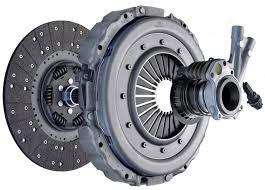
clutch: Clutch ‘seize’ [14] and clutch of eggs [18] are separate words, although they may ultimately be related. The verb arose in Middle English as a variant of the now obsolete clitch, which came from Old English clyccan ‘bend, clench’. The modern sense of the noun, ‘device for engaging a motor vehicle’s gears’, which was introduced at the end of the 19th century, developed from a more general early 19thcentury meaning ‘coupling for bringing working parts together’, based no doubt on the notion of ‘seizing’ and ‘grasping’. Clutch of eggs is a variant of the now obsolete dialectal form cletch [17].
This was a derivative of the Middle English verb clecken ‘give birth’, which was borrowed from Old Norse klekja (probably a distant relative of clutch ‘seize’).
- clutch (v.)
- Old English clyccan "bring together, bend (the fingers), clench," from PIE *klukja- (cognates: Swedish klyka "clamp, fork;" related to cling). Meaning "to grasp" is early 14c.; that of "to seize with the claws or clutches" is from late 14c. Sense of "hold tightly and close" is from c. 1600. Influenced in meaning by Middle English cloke "a claw." Related: Clutched; clutching.
- clutch (n.3)
- "a brood, a nest" in reference to chickens, eggs, 1721, from clekken "to hatch" (c. 1400). Said by OED to be apparently a southern England dialect word. Compare batch/bake. Probably from a Scandinavian source (such as Old Norse klekja "to hatch"), perhaps of imitative origin (compare cluck (v.)).
- clutch (n.1)
- "a claw, grip, grasp," c. 1300, from cloche "claw," from cloke (c. 1200), related to clucchen, clicchen (see clutch (v.)). Meaning "grasping hand" (1520s) led to that of "tight grasp" (1784). Related: Clutches.
- clutch (n.2)
- movable mechanical part for transmitting motion, 1814, from clutch (v.), with the "seizing" sense extended to "device for bringing working parts together." Originally of mill-works, first used of motor vehicles 1899. Meaning "moment when heroics are required" is attested from 1920s.
权威例句
- 1. Laura let out the clutch and pulled slowly away down the drive.
- 劳拉松开离合器踏板,沿车道慢慢驶离。
- 2. I staggered and had to clutch at a chair for support.
- 我踉踉跄跄地,不得不抓住一把椅子稳住自己。
- 3. The pedals seem a bit off-centre and the clutch is rather stiff.
- 踏板似乎有点偏心,离合器也相当紧。
- 4. When the clutch broke, the car was locked into second gear.
- 离合器失灵后,汽车只能在二挡行驶。
- 5. The party has attracted a clutch of young southern liberals.
- 聚会吸引了一群南部的年轻开明人士。
词语辨析
【grasp, grab, clasp, seize, take, clutch, grip, snatch】
这组词都有“抓住,握紧”的意思,其区别是:
grasp: 指紧紧抓住、抓牢。
grab: 指粗暴而急迫的抓住。
clasp: 指用手紧握或用臂紧抱。
seize: 指突然抓住某物,强调突然的猛烈动作。
take: 最普通用词,不带感情色彩。指用手抓、取某东西或控制某物。
clutch: 强调匆忙、紧急地抓、抓紧。
grip: 语气比grasp强,指用手的最大力量紧紧抓住。
snatch: 指突然抢走,侧重动作更快或更具暴力性质。
这组词都有“抓住,握紧”的意思,其区别是:
grasp: 指紧紧抓住、抓牢。
grab: 指粗暴而急迫的抓住。
clasp: 指用手紧握或用臂紧抱。
seize: 指突然抓住某物,强调突然的猛烈动作。
take: 最普通用词,不带感情色彩。指用手抓、取某东西或控制某物。
clutch: 强调匆忙、紧急地抓、抓紧。
grip: 语气比grasp强,指用手的最大力量紧紧抓住。
snatch: 指突然抢走,侧重动作更快或更具暴力性质。