记忆方法
【擦抹】女人爱擦抹就是为了增加魅力迷住男人
看到不对的地方请告诉我们
词族 · charm
中文词源
charm 魅力
来自拉丁词carmen, 唱歌,念咒,来自词根can, 吟唱,词源同chant, cantata. 字母n在m前r化,比较germ, germane, 来自词根gen, 生育。
英语词源
- charm
-
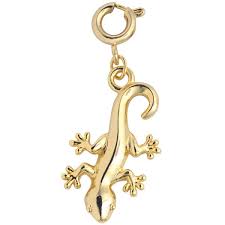
charm: [13] Although now largely weakened to mere ‘attractiveness’, the origins of charm are in magic spells and incantations. It comes via Old French charme from Latin carmen ‘song’, which was also used for the chanting or reciting of verses with supposedly magic powers. Thus in the Middle Ages, charms were synonymous with enchantment – either spoken or, in more concrete form, carried as talismans. The latter have degenerated in modern times to small trinkets worn on bracelets, an application first recorded in the mid 19th century.
- charm (n.)
- c. 1300, "incantation, magic charm," from Old French charme (12c.) "magic charm, magic, spell; incantation, song, lamentation," from Latin carmen "song, verse, enchantment, religious formula," from canere "to sing" (see chant (v.)), with dissimilation of -n- to -r- before -m- in intermediate form *canmen (for a similar evolution, see Latin germen "germ," from *genmen). The notion is of chanting or reciting verses of magical power.
A yet stronger power than that of herb or stone lies in the spoken word, and all nations use it both for blessing and cursing. But these, to be effective, must be choice, well knit, rhythmic words (verba concepta), must have lilt and tune; hence all that is strong in the speech wielded by priest, physician, magician, is allied to the forms of poetry. [Jacob Grimm, "Teutonic Mythology" (transl. Stallybrass), 1883]
Sense of "pleasing quality" evolved 17c. Meaning "small trinket fastened to a watch-chain, etc." first recorded 1865. Quantum physics sense is from 1964. To work like a charm (figuratively) is recorded by 1824. - charm (v.)
- c. 1300, "to recite or cast a magic spell," from Old French charmer (13c.) "to enchant, to fill (someone) with desire (for something); to protect, cure, treat; to maltreat, harm," from Late Latin carminare, from Latin carmen (see charm (n.)). In Old French used alike of magical and non-magical activity. In English, "to win over by treating pleasingly, delight" from mid-15c. Related: Charmed; charming. Charmed (short for I am charmed) as a conventional reply to a greeting or meeting is attested by 1825.
权威例句
- 1. She is very good at using her charm to get her way.
- 她非常善于利用自己的魅力随心所欲。
- 2. Fearey had all the charm and urbanity of the trained diplomat.
- 费尔里具备一个训练有素的外交官的一切风度和优雅。
- 3. Johnson's easy charm contrasted sharply with the prickliness of his boss.
- 约翰逊的亲和力和他老板易怒的性格形成了鲜明的对比。
- 4. He has good looks and charm, and always falls on his feet.
- 他长得很帅,也有魅力,总是走好运。
- 5. He was a man of great charm and not inconsiderable wit.
- 他是魅力十足、机智过人的男人。
词语辨析
【attract, charm, enchant, fascinate, tempt】
这些动词均含有“吸引,引诱”之意。
attract: 普通用词,指客观上吸引人的注意力。
charm: 侧重迷住某人或使之高兴。
enchant: 着重指有能力引起被迷住者的欢乐或赞美。
fascinate: 通常含使人无法拒绝、无法摆脱的意味。
tempt: 指吸引力很强,强调欲望被唤醒。
这些动词均含有“吸引,引诱”之意。
attract: 普通用词,指客观上吸引人的注意力。
charm: 侧重迷住某人或使之高兴。
enchant: 着重指有能力引起被迷住者的欢乐或赞美。
fascinate: 通常含使人无法拒绝、无法摆脱的意味。
tempt: 指吸引力很强,强调欲望被唤醒。