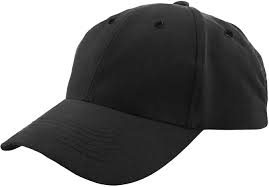
记忆方法
将“cap”想象为头上的帽子,这个帽子可以象征“覆盖”(cover)或“最高”(top),因为帽子通常位于头顶之上,这样可以帮助记忆它的双重含义:覆盖物和最高的部分。
机器生成的内容难免有错,看到不靠谱的拆解请告诉我们
词族 · cap
中文词源
cap 帽子
来自词根cap, 头,词源同chief, captain。此处指头上戴的帽子。
英语词源
- cap
-
cap: [OE] Old English cæppa came from late Latin cappa ‘hood’, source also of English cape ‘cloak’. The late Latin word may well have come from Latin caput ‘head’, its underlying meaning thus being ‘head covering’.
=> cappuccino, chapel, chaperone, képi - cap (n.)
- late Old English cæppe "hood, head-covering, cape," from Late Latin cappa "a cape, hooded cloak" (source of Spanish capa, Old North French cape, French chape), possibly a shortened from capitulare "headdress," from Latin caput "head" (see head (n.)).
Meaning "women's head covering" is early 13c. in English; extended to men late 14c. Figurative thinking cap is from 1839 (considering cap is 1650s). Of cap-like coverings on the ends of anything (such as hub-cap) from mid-15c. Meaning "contraceptive device" is first recorded 1916. That of "cap-shaped piece of copper lined with gunpowder and used to ignite a firearm" is c. 1826; extended to paper version used in toy pistols, 1872 (cap-pistol is from 1879).
The Late Latin word apparently originally meant "a woman's head-covering," but the sense was transferred to "hood of a cloak," then to "cloak" itself, though the various senses co-existed. Old English took in two forms of the Late Latin word, one meaning "head-covering," the other "ecclesiastical dress" (see cape (n.1)). In most Romance languages, a diminutive of Late Latin cappa has become the usual word for "head-covering" (such as French chapeau). - cap (v.)
- c. 1400, "to put a cap on," from cap (n.). Meaning "cover as with s cap" is from c. 1600. Figurative sense of "go one better" is from 1580s. Related: Capped; capping.
权威例句
- 1. He wears a cap to cover a spot of baldness.
- 他戴帽以遮斑秃。
- 2. He was wearing a cream silk shirt and a tartan golfing cap.
- 他身着一件米色丝绸衬衫,头戴一顶花格子高尔夫球帽。
- 3. He had offered the loan of his small villa at Cap Ferrat.
- 他愿意借出在费拉角的小别墅。
- 4. The only new cap is Llanelli's 20-year-old left-wing Wayne Proctor.
- 唯一初次入选国家队的选手是来自拉内利的20岁左边锋韦恩·普罗克特。
- 5. Her cap fell off in the street and blew away.
- 她的帽子掉在大街上,被风吹走了。
词语辨析
【cap, hat】
这组词都有“帽子”的意思,其区别是:
cap: 指无边的便帽,呀表示职业的帽子,如运动帽、军帽等。
hat: 指有边的帽子,尤指礼帽。
这组词都有“帽子”的意思,其区别是:
cap: 指无边的便帽,呀表示职业的帽子,如运动帽、军帽等。
hat: 指有边的帽子,尤指礼帽。