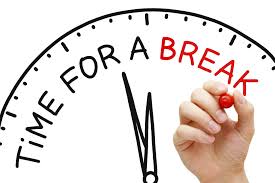
记忆方法
将“break”与“ brake”(刹车)这个熟悉的词组合记忆,联想到在交通工具中突然刹车会产生“中断”、“打破”的效果,以此来帮助记忆“break”意味着“打破”、“中断”或“休息”。
机器生成的内容难免有错,看到不靠谱的拆解请告诉我们
词族 · break
中文词源
break 破裂
来自PIE *bhreg, 破开,同fraction, 碎片。
英语词源
- break
-
break: [OE] Break comes via prehistoric Germanic *brekan from the Indo-European base *bhreg-, which also produced Latin frangere ‘break’ (source of English fraction and fracture). Possibly related words include brake, bark ‘sound made by a dog’, and brigade, while the Germanic derived noun *brecho passed into English via Old French as breach [14] (Old English had the parallel form bryce, which died out). The application of broke (originally a variant of the past participle broken) to ‘insolvency’ dates from the 18th century.
=> bark, brake, breach, brigade, fraction, fracture - break (v.)
- Old English brecan "to break, shatter, burst; injure, violate, destroy, curtail; break into, rush into; burst forth, spring out; subdue, tame" (class IV strong verb; past tense bræc, past participle brocen), from Proto-Germanic *brekan (cognates: Old Frisian breka, Dutch breken, Old High German brehhan, German brechen, Gothic brikan), from PIE root *bhreg- "to break" (see fraction). Most modern senses were in Old English. In reference to the heart from early 13c. Meaning "to disclose" is from early 13c.
Break bread "share food" (with) is from late 14c. Break the ice is c. 1600, in reference to the "coldness" of encounters of strangers. Break wind first attested 1550s. To break (something) out (1890s) probably is an image from dock work, of freeing cargo before unloading it. Ironic theatrical good luck formula break a leg has parallels in German Hals- und Beinbruch "break your neck and leg," and Italian in bocca al lupo. Evidence of a highly superstitious craft (see Macbeth). - break (n.)
- c. 1300, "act of breaking," from break (v.). Sense of "short interval between spells of work" (originally between lessons at school) is from 1861. Meaning "stroke of luck" is attested by 1911, probably an image from billiards (where the break that starts the game is attested from 1865). Meaning "stroke of mercy" is from 1914. Musical sense, "improvised passage, solo" is attested from 1920s in jazz.
权威例句
- 1. It was feared they could break the Allies' codes.
- 恐怕他们会破译盟军的密码。
- 2. He charged into the crowd. "Break it up," he shouted.
- 他冲进人群,大喊道:“散开。”
- 3. I feel as if I should break into song.
- 我觉得自己应该放声歌唱。
- 4. I didn't mean to break his nose. I just saw red.
- 我不是故意要打断他的鼻梁。我只是一时气急。
- 5. A sudden break in the cloud allowed rescuers to spot Michael Benson.
- 天气的突然放晴帮助救援人员找到了迈克尔·本森。
词语辨析
【pause, stop, break, interval, cease, recess, rest】
这组词都有“中止,停止,休息”的意思,其区别是:
pause: 指短暂的中断或停止,含再进行下去的意味。
stop: 普通用词,指迅速或突然中止某行为、活动或状态。
break: 非正式用词,指突然的或短时间的中止,如工作或活动期间接短暂休息。
interval: 指一出戏在幕与幕之间,音乐会上下串场之间或演出中预先安排的休息;也可泛指事件之间的一段时间。
cease: 正式用词,侧重逐渐结呸某活动或状态,含永远结束的意味。
recess: 正式用词,指业务活动或工作中短暂的或长时间的休息。
rest: 指统称的休息。
【break, crush, crack, shatter, smash, burst, fracture】
这组词都有“打破、弄碎”的意思,其区别是:
break: 常用词,含义广泛,多指猛然用力将坚硬物打破或损坏。
crush: 指用力把东西压破或变形。
crack: 多指因长期使用或经受压力,物体表现呈现裂纹、裂口或破裂、裂开,但一般没成碎片。
shatter: 指破裂为许多支离破碎的碎片,多用指易碎事物。
smash: 指突然而猛烈地重击某物,使之破碎或完全变形。
burst: 指某物因内部外部压力过大而出现严重破裂、爆开或账破。
fracture: 比crack的破裂程度更深更严重,常指断裂,医学上指骨折。
【destroy, break, wreck, ruin, spoil, damage】
这组词都有“破坏,损坏”的意思,其区别是:
destroy: 多指彻底地、毁灭性地破坏,含导致无用,不能或很难再修复的意味。
break: 普通用词,指某物因被打破或撕破而受到破坏,可指有形或无形的破坏。
wreck: 侧重指船只、车辆、房屋等受到严重破坏或完全毁坏,也可指计划、健康受到损害。
ruin: 多指因外部原因而受到严重破坏或毁灭,侧重破坏的彻底性,也可用于引申意义。
spoil: 强调不仅会削弱力量、精力或价值,而且会导致不可避免的毁灭。
damage: 多指对无生命物体的损害,造成降低价值、破坏功能等后果。