记忆方法
1. anti- "before" + *okw- "appearance" + -e.
2. anti- 词根的本义是 before 这里引申为 before times, former times, ancient times. 也就是以前的时光、古代。
3. *okw- 本义是 see 这里引申为 appearance,即样子、外观、外貌、面貌。*okw- 的同源词:ocular, ogle, optic, myopia.
4. 由此该词的含义表示古代的样子、古代的面貌。
5. => aged, venerable.
2. anti- 词根的本义是 before 这里引申为 before times, former times, ancient times. 也就是以前的时光、古代。
3. *okw- 本义是 see 这里引申为 appearance,即样子、外观、外貌、面貌。*okw- 的同源词:ocular, ogle, optic, myopia.
4. 由此该词的含义表示古代的样子、古代的面貌。
5. => aged, venerable.
看到不对的地方请告诉我们
词族 · antique
英语词源
- antique
-
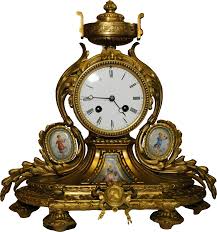
antique: [16] Originally, in Latin, antique was an adjectivized version of the adverb and preposition ‘before’: to ante ‘before’ was added the adjective suffix -īcus, to produce the adjective antīquus (somewhat later an exactly parallel formation, using the suffix -ānus rather than -īcus, produced the adjective which became English ancient).
English acquired the word either via French antique or directly from Latin. To begin with, and until relatively recently, it meant simply ‘ancient’, or specifically ‘of the ancient world’; it was only towards the end of the 18th century that the modern sense ‘made long ago and therefore collectable’ began to become established. In Italian, antico (from Latin antīquus) was often applied to grotesque carvings found in ancient remains.
It was borrowed into English in the 16th century as an adjective, antic, meaning ‘bizarre’, but also as a noun, usually used in the plural, in the sense ‘absurd behaviour’.
=> ancient, antic - antique (adj.)
- 1530s, "aged, venerable," from Middle French antique "old" (14c.), from Latin antiquus (later anticus) "ancient, former, of olden times; old, long in existence, aged; venerable; old-fashioned," from PIE *anti in sense of "before" (see ante) + *okw- "appearance" (see eye (n.)). Originally pronounced in English like its parallel antic, but French pronunciation and spelling were adopted from c. 1700.
- antique (n.)
- "an old and collectible thing," 1771, from antique (adj.).
- antique (v.)
- "to give an antique appearance to," 1896, from antique (adj.). Related: Antiqued; antiquing.
权威例句
- 1. He finds material at auctions, antique shops and flea markets.
- 他在拍卖行、古玩店和跳蚤市场中寻宝。
- 2. They are available in polished brass, antique brass or silver-plate.
- 它们有哑铜的,古铜的和镀银的。
- 3. Windsor Castle is quite literally an antique treasure trove.
- 温莎城堡确实是名副其实的古物宝藏。
- 4. He claimed he ploughed all his money into his antique business.
- 他声称把所有的钱都投进了自己的古董生意。
- 5. He wears designer clothes and drives an antique car.
- 他穿着著名设计师设计的服装,开着一部古董车。
词语辨析
【ancient, old, antique】
这些形容词均含“古代的,古老的”之意。
ancient: 指很久以前发生或存在的事物。用于描述历史时,指远古时代。
old: 指长期以来一直存在着的事物,与times连用指古代,与days连用时指从前或旧社会。
antique: 指已经很古老或颇有古风的事物,一般都具有较高价值。
这些形容词均含“古代的,古老的”之意。
ancient: 指很久以前发生或存在的事物。用于描述历史时,指远古时代。
old: 指长期以来一直存在着的事物,与times连用指古代,与days连用时指从前或旧社会。
antique: 指已经很古老或颇有古风的事物,一般都具有较高价值。